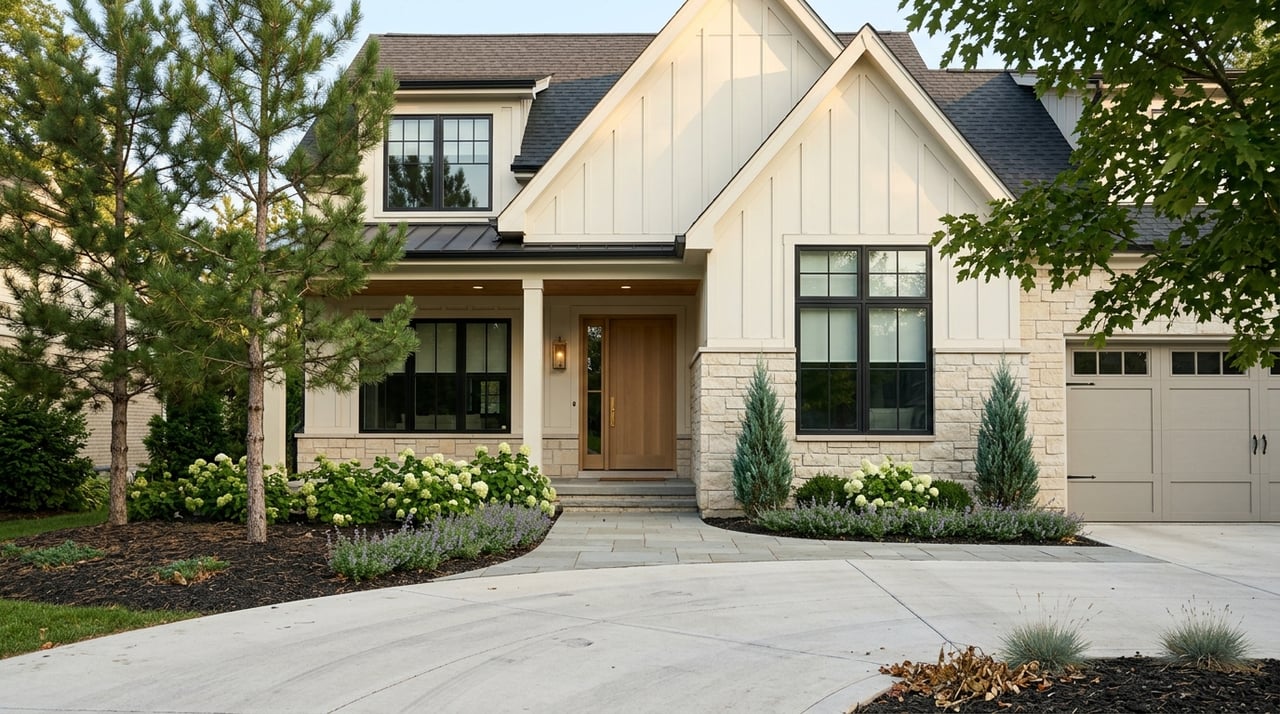
Fort Collins vs Suburbs: Find the Right Fit for You
June 4, 2026
June 4, 2026
Trying to decide between Fort Collins and the nearby suburbs? You are not alone. For many Northern Colorado buyers, the real question is not just which home to buy, but which daily lifestyle will feel right once the boxes are unpacked. This guide will help you compare Fort Collins with places like Timnath, Windsor, Severance, and Loveland so you can weigh commute, housing patterns, outdoor access, and everyday convenience with more confidence. Let’s dive in.
If you want an established city feel, shorter average commutes, stronger transit access, and a deeper trail and bike network, Fort Collins stands out. If you prefer a newer growth-phase setting with more owner-occupied housing and expanding parks, town centers, and neighborhood development, the surrounding suburbs may be a better fit.
The key is to avoid one-size-fits-all assumptions. In this part of Northern Colorado, suburb does not always mean lower home values, and city living does not always mean giving up outdoor access. Your best choice depends on how you want your days to work.
Fort Collins is the largest market in this group, with 170,924 residents in 2024. That scale shows up in the city’s infrastructure, transportation options, and established planning around downtown and daily life.
The city’s downtown planning framework addresses urban design, parking, transportation, arts and culture, economic outlook, and environmental topics. Old Town is also a designated historic district, which adds to the sense of established in-town character that many buyers want.
For some buyers, that character matters as much as square footage. If you want a place where daily errands, local events, and community amenities feel more connected, Fort Collins often delivers that experience more clearly than newer suburbs.
The nearby suburbs are in a faster build-out phase. Since 2020, Fort Collins grew 0.6%, while Loveland grew 6.2%, Windsor 27.5%, Severance 49.9%, and Timnath 67.3%.
That growth can appeal to buyers who want newer neighborhoods, expanding infrastructure, and communities that are still adding parks, commercial areas, and town-center features. It can also be a strong fit if you are drawn to newer suburban homes and a more recently developed setting.
Each town has a slightly different feel. Windsor has a more developed suburban structure, Timnath is building around a smaller-town center model, Severance is still earlier in commercial development, and Loveland offers a separate city option within the broader corridor.
Fort Collins has a more mixed-tenure housing profile than the surrounding towns. Owner-occupancy is 51.6% in Fort Collins, compared with 62.2% in Loveland, 77.6% in Windsor, 82.6% in Timnath, and 91.6% in Severance.
That does not make one option better than another, but it does point to a meaningful difference in housing patterns. If you want a community with a heavier owner-occupied profile, the suburbs may align more closely with your goals.
Population size also shapes the experience. Fort Collins is much larger than Timnath, Severance, Windsor, and Loveland, so you may notice a broader mix of housing, amenities, and transportation choices inside the city.
This is one of the most important parts of the decision. Median owner-occupied values are not automatically lower outside Fort Collins.
Fort Collins has a median owner-occupied value of $577,900. Timnath is higher at $730,100, and Windsor is also higher at $604,000. Severance is lower at $528,500, and Loveland is lower at $479,000.
If budget is driving your search, it helps to compare towns individually instead of grouping all suburbs together. In Northern Colorado, price depends more on the specific location and housing stock than on a simple city-versus-suburb label.
Fort Collins has the shortest average work commute in this comparison at 19.5 minutes. Timnath averages 23.8 minutes, Loveland 26.2, Windsor 26.4, and Severance 27.1.
A few extra minutes may not sound like much on paper. Over time, though, that difference can shape your workday, school schedule, errands, and overall flexibility.
For relocation buyers and move-up families, this is often where the choice becomes clearer. If a shorter average commute is one of your top priorities, Fort Collins has a measurable edge.
Transportation is one of the clearest differences between Fort Collins and the suburbs. Fort Collins has fare-free Transfort service with more than 20 fixed routes connecting CSU, the Downtown Transit Center, Poudre Valley Hospital, and Foothills Mall.
The city also has MAX service running on a dedicated transit-only guideway between the South Transit Center and downtown. On top of that, Fort Collins reports more than 200 miles of dedicated bike lanes and 50 miles of signed routes.
If you want more ways to get around besides driving, Fort Collins offers the strongest package in this group. That can matter for daily commuting, student access, or simply having more flexibility in how you move through the city.
You can still commute regionally from the suburbs, but the system looks different. The Poudre Express connects Greeley, Windsor, and Fort Collins on weekdays, while FLEX links Fort Collins with Loveland, Berthoud, Longmont, and Boulder.
Loveland also has the COLT system with seven routes serving two transfer centers. In Windsor and Timnath, road access plays a larger role, including access toward I-25 and major corridors connecting back to Fort Collins.
If you are comfortable planning life around key roads and corridor routes, a suburb may still work well. If you want denser local transit and bike infrastructure built into everyday life, Fort Collins stands out more clearly.
Northern Colorado buyers often care deeply about trails, parks, and open space. The good news is that both Fort Collins and the surrounding towns offer meaningful outdoor access, though the depth and format vary.
Fort Collins has the broadest outdoor network in this comparison. The city reports more than 50 conserved natural areas, more than 100 miles of trail, more than 966 acres of developed parks, and over 45 miles of off-street hike and bike trails.
That scale makes a difference if you want variety close to home. It also supports the city’s reputation for a more connected outdoor lifestyle woven into everyday routines.
Fort Collins also has a Platinum-rated bicycle network with more than 200 miles of dedicated lanes. For buyers who want to bike for recreation, commuting, or both, that is a major point in the city’s favor.
This trail density can be especially valuable if you want multiple options across different parts of town. Instead of relying mostly on neighborhood amenities, you gain access to a larger citywide network.
If outdoor access is one of your top quality-of-life goals, Fort Collins sets a high bar.
Among the suburbs, Timnath is one of the strongest options for buyers who want outdoor access. The town reports more than 1,200 acres of parkland, open space, and trails, and Weitzel Park connects to the Poudre River Trail.
Timnath is also building a smaller-town center model through its Main Street program and support for Old Town Timnath. That combination can appeal if you want a newer suburban setting without giving up community spaces and trail access.
Windsor also offers a compelling suburban balance. The town has more than 25 parks, several paved and soft-surface trails, a downtown development authority, downtown parking improvements, 13 business parks, three commercial areas, and more than 7,000 acres available for development.
Severance is best understood as a mostly residential option. Town leadership notes that commercial development and in-town business services are still early, even as officials work to add more shopping and dining.
That may work well if your priority is a residential setting and you are comfortable with a town that is still building out its service base. Severance also has subdivision parks, a growing community park system, Community Park improvements, and Great Western Trail work in progress.
Loveland brings a different kind of option to the conversation. It has a citywide open-lands and recreation-trail system, lower median owner-occupied value than Fort Collins, and regional connections through FLEX and COLT.
If you are deciding between Fort Collins and the suburbs, start with your daily routine instead of your zip code. Think about how you want to commute, how often you want to drive, what kind of outdoor access you will actually use, and whether you prefer an established city feel or a newer community setting.
Fort Collins may be the better fit if you value shorter average commutes, fare-free transit, a stronger bike network, and an established downtown and trail system. The suburbs may be the better fit if you want a more owner-occupant-heavy environment, newer development patterns, and growing parks or town-center amenities.
There is no universal winner. The best choice is the one that supports your life now and still feels right a few years from today.
If you are weighing Fort Collins against Timnath, Windsor, Severance, or Loveland, a local comparison can save you time and help you focus on the communities that truly match your goals. When you are ready for tailored guidance, Megan Beck can help you compare neighborhoods, commute trade-offs, and home options across Northern Colorado with a clear, personalized plan.

Whether clients are purchasing their first home, seeking a high-end property, building new, relocating for work, or looking for a mountain escape, Megan provides expert guidance and local insight every step of the way.

4703A BOARDWALK DR FORT COLLINS CO 80525