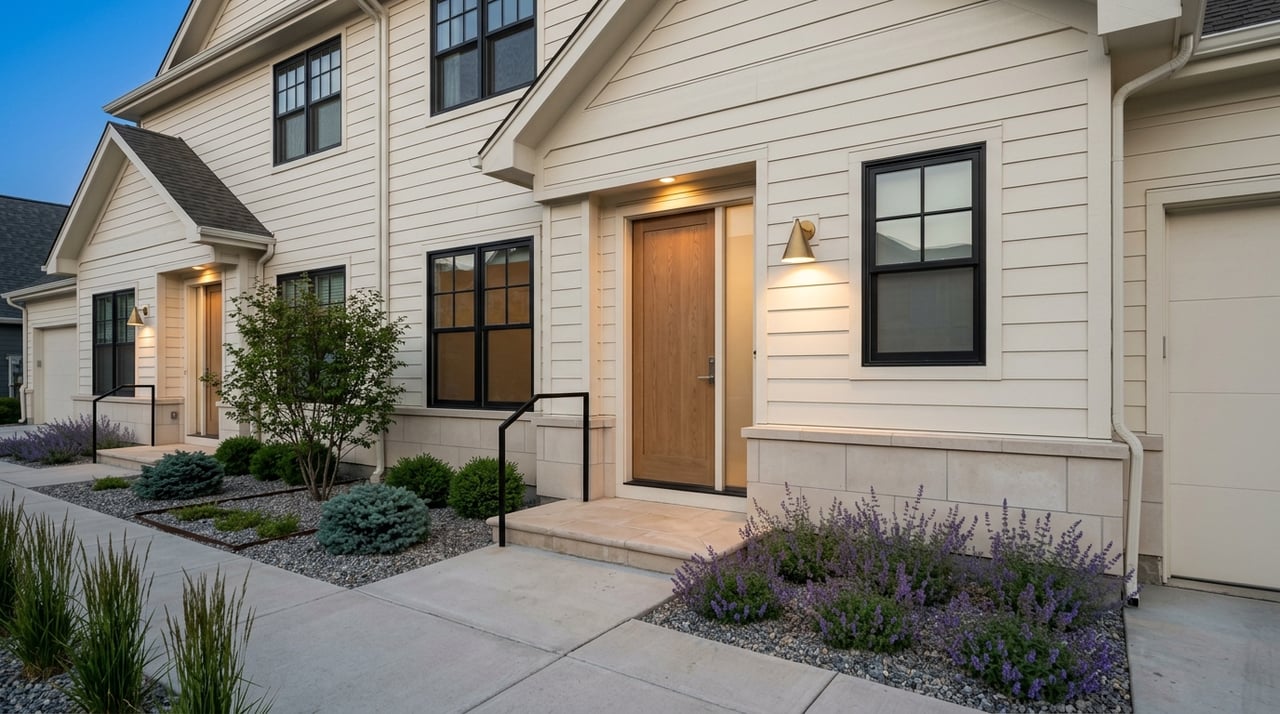
Selling a Boulder Condo or Townhome: What To Expect
July 16, 2026
July 16, 2026
If you are selling a Boulder condo or townhome, you are not just selling your unit. You are also selling the building, the HOA, the parking setup, and the day-to-day ownership experience. That can feel like a lot to manage, but when you know what buyers expect, you can prepare early and avoid many of the delays that slow attached-home sales. Let’s dive in.
Boulder condos and townhomes operate in a different pricing lane than single-family homes. In May 2026 year-to-date data, Boulder townhome and condo properties had a median sales price of $537,500, compared with $1.3 million for single-family homes. That gap shows why broad city averages can miss the mark when you are pricing an attached home.
The same Boulder data shows attached homes at 86 days on market and 97.3% of list price received. That tells you buyers are paying attention to value and comparing options closely. If your condo or townhome is priced too high for the building or HOA, the market may show that quickly.
When you sell a condo or townhome in Boulder, recent building-level comps matter more than big-picture neighborhood averages. Buyers often compare homes with similar dues, shared amenities, parking arrangements, and overall building condition. A unit in the same area can still compete very differently depending on the HOA and common elements.
That is why pricing should reflect your specific building and ownership structure. If your unit includes features that stand out, such as better storage, a more functional layout, or a stronger parking setup, those details can support value. But they need to be weighed against what buyers are seeing in closely related attached-home listings.
One of the biggest differences in selling a Boulder condo or townhome is the HOA document package. Under Colorado's residential contract process, sellers should be ready to provide association documents, and buyers have a review period during which they can decide whether those documents are satisfactory. If they are not, the buyer can terminate.
That makes preparation especially important. There is no central repository for HOA governing documents in Colorado, so gathering them can take time. Sellers who organize the package before the property goes live often reduce stress once an offer comes in.
Before listing, try to have these items ready:
In Colorado, the seller provides these documents at the seller's expense under the contract framework. Having them ready early can make your listing feel more organized and easier for buyers to evaluate.
With a single-family home, buyers often focus mostly on the home and lot. With a condo or townhome, buyers are also evaluating the shared ownership structure and the condition of common elements. That means your sale is influenced by spaces you may not fully control, but still need to account for.
Colorado's HOA guidance notes that buyers should review what counts as a common element, and that maintenance issues can be more common in attached-home communities. Insurance matters also take on more importance because association coverage often applies to damage involving common elements.
Before photos and showings, pay attention to the areas buyers will see before they even enter your unit. These spaces shape first impressions and reinforce how the community is maintained.
Focus on items like:
You may not be able to change every shared area, but you can be aware of how they affect the overall presentation. If a buyer is deciding between similar homes, the visible condition of the community can influence confidence.
In Boulder, parking and storage details often matter more than sellers expect. Buyers want to know exactly what comes with the property and how it works in real life. Vague answers can create hesitation, especially when buyers are already comparing several attached-home options.
Be clear about whether parking is deeded, assigned, in a detached garage, in a surface stall, or primarily street-based. The same goes for storage. If the home includes a bike area, garage storage, closet space, or a limited common element storage area, spell that out clearly.
Many buyers reviewing a Boulder condo or townhome will want answers to the same core questions:
These questions come up because buyers are reviewing both the governing documents and the financial side of the association. Clear answers can help buyers feel informed and reduce uncertainty during due diligence.
Marketing a Boulder condo or townhome works best when the presentation tells a complete story. Buyers are not only buying interior finishes or square footage. They are also buying a certain level of maintenance responsibility, shared amenities, and ownership structure.
That is why a low-maintenance lifestyle can be a strong message, but it should be backed up by facts. Buyers will want to know what the dues actually cover, what the shared areas look like, and what their responsibilities would be as owners.
A strong attached-home marketing plan should clearly show:
The more specific you are, the easier it is for buyers to picture the full ownership experience. That clarity can also help attract better-matched buyers from the start.
Because Boulder attached homes averaged 86 days on market in the May 2026 year-to-date data, sellers should be prepared for buyers to take time comparing options. That does not mean your sale will be slow, but it does mean pricing, presentation, and document readiness all matter from day one.
If your condo or townhome is well-positioned, buyers can move forward with more confidence. If the price is out of step, the parking situation is unclear, or the HOA documents are hard to obtain, the listing may lose momentum during the period when attention is highest.
The sellers who often have the best experience are the ones who prepare for attached-home questions before the first showing. They know the dues, understand the parking and storage setup, and have the HOA package ready to go. That kind of preparation helps buyers move through due diligence with fewer surprises.
Selling a Boulder condo or townhome is not just about listing the property and waiting for offers. It is about presenting the unit, the community, and the ownership details in a clear and organized way. If you want guidance on how to price, prepare, and market your home with a high-touch strategy, connect with Megan Beck for personalized support.


Whether clients are purchasing their first home, seeking a high-end property, building new, relocating for work, or looking for a mountain escape, Megan provides expert guidance and local insight every step of the way.

4703A BOARDWALK DR FORT COLLINS CO 80525