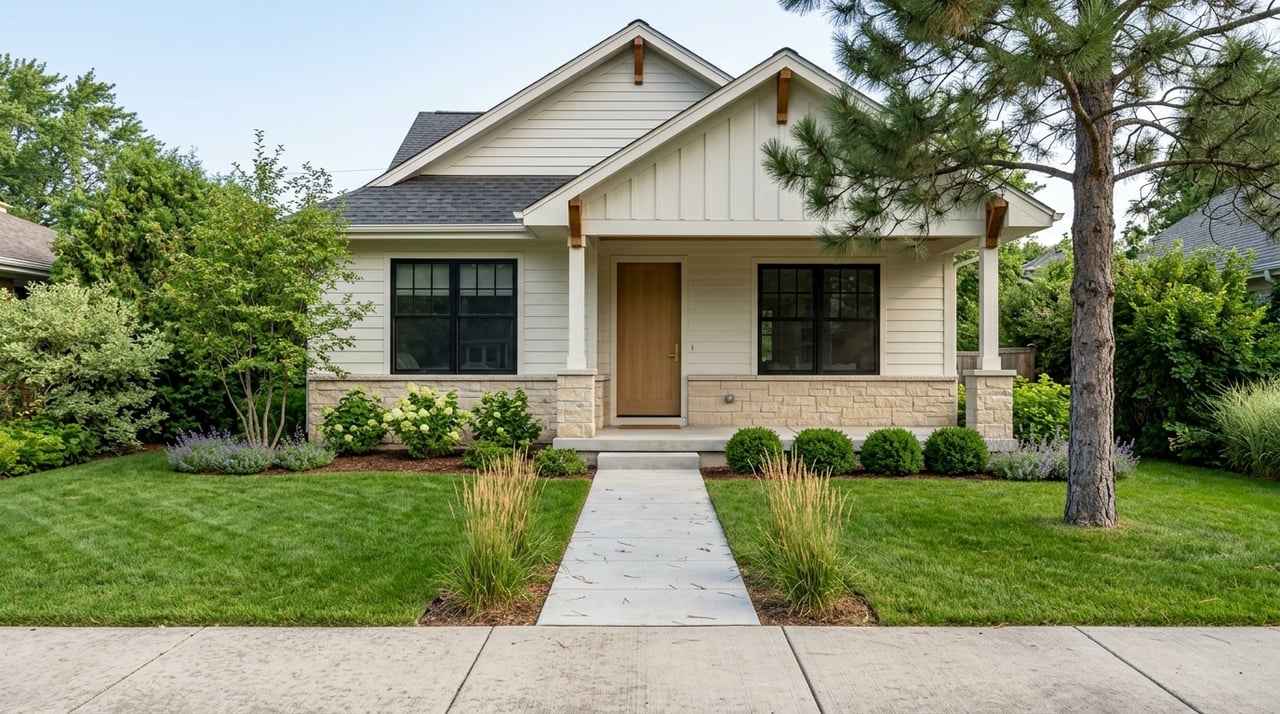
How to Invest in Northern Colorado Real Estate From Denver
June 25, 2026
June 25, 2026
Are you thinking about investing outside Denver without going too far from home? Northern Colorado stands out because it is not a remote second-home market. It is a connected Front Range corridor with real commuter patterns, growing cities, and housing demand tied to jobs, education, and everyday lifestyle needs. If you want to compare Fort Collins, Loveland, and Windsor with a smarter lens, this guide will help you understand pricing, rents, growth, and the local rules that can shape your return. Let’s dive in.
For Denver buyers, Northern Colorado can offer a different mix of price points, rental demand, and long-term growth potential. Loveland is about 46 miles north of Denver, Windsor sits along the Interstate 25 corridor between Denver and Cheyenne, and Fort Collins identifies I-25 as the region’s primary north-south commuter and freight corridor. That regional connectivity matters because it supports both owner-occupant demand and long-term rental demand.
This is one reason Northern Colorado attracts attention from investors who want more than a vacation-market play. These cities are tied to everyday housing needs, including commuting, access to parks and amenities, education resources, and regional employment hubs. For many Denver-based buyers, that can create a more durable investment story.
Each city offers a different balance of entry price, rent potential, inventory, and growth. A quick side-by-side look can help you narrow where to focus first.
| City | Median Listing Price | Median Rent | Homes for Sale | Rentals | Median Days on Market |
|---|---|---|---|---|---|
| Fort Collins | $584,950 | $1,850 | About 1.1K | About 625 | 34 |
| Loveland | $529,900 | $1,700 | About 733 | About 188 | 41 |
| Windsor | $635,000 | $2,750 | About 392 | About 41 | 43 |
Fort Collins is the largest of the three markets in this comparison, with an estimated 2024 population of 170,924. The city highlights recreation and open spaces, arts and culture, Colorado State University, and Poudre School District. For investors, that points to a broad housing base with multiple demand drivers.
Loveland offers a lower median listing price than Fort Collins and Windsor in the current snapshot. The city emphasizes arts, recreation, downtown livability, and growth around I-25 and Centerra. Its estimated population reached 81,387 in 2025, up 6.6% from the 2020 base.
Windsor is the highest-priced market of the three in the latest data, but it also shows the highest median rent. The town highlights its I-25 corridor location, parks and recreation, school-district resources, regional bus service, and access to nearby cities. Its estimated population reached 43,840 in 2025, up 34.0% from the 2020 base, making it the fastest-growing market in this group.
A simple first-pass screen using current median listing price and median rent suggests rough gross-rent yields of about 3.8% in Fort Collins, 3.8% in Loveland, and 5.2% in Windsor before taxes, insurance, HOA dues, and maintenance. This is not a full underwriting model, but it is useful for comparing markets at a high level.
Based on that snapshot, Windsor currently shows the strongest rent-to-price profile of the three. Fort Collins and Loveland may appeal more to investors who are comfortable leaning on long-term appreciation and stable owner-occupant demand. That does not make one market better than another, but it does mean your strategy should match the city.
For many Denver-area investors, the most practical property types in Northern Colorado are single-family homes, townhomes or condos, and in some cases ADUs or duplex-style setups. Each comes with a different risk and income profile.
Single-family homes are often the most straightforward to analyze as long-term rentals. They may align well with steady owner-occupant resale demand, which can matter when you eventually sell. They are also a common fit for investors who want a simpler financing and management path.
Townhomes and condos can lower your entry price, which may help if you want to preserve cash or buy sooner. The tradeoff is that HOA dues and community rules can affect monthly cash flow and operational flexibility. Before you buy, make sure you understand what the HOA allows and what it costs.
Accessory dwelling units can create additional income on one lot if local rules and zoning allow them. This matters in Northern Colorado because Fort Collins, Loveland, and Windsor each have local ADU pathways. If you are looking for a more creative long-term hold, this is one area worth exploring carefully.
One of the biggest mistakes investors make is focusing only on the mortgage payment. Your real monthly cost can include principal, interest, taxes, insurance, and in some cases HOA dues. If the property needs repairs, reserves, or ongoing maintenance, those costs matter too.
Your financing structure also changes the picture. Down payment size affects loan terms and monthly cost, and conventional loans with less than 20% down typically include mortgage insurance. That means a property that looks attractive on paper can feel very different once you account for equity position, vacancy, reserves, and true operating costs.
If you are investing from Denver, local regulations deserve extra attention. The same property can perform very differently depending on whether you plan a long-term rental, short-term rental, or a property with an ADU.
Fort Collins uses a zoning map to distinguish where primary and non-primary short-term rentals are allowed. The city requires licensing and does not allow short-term rentals in buildings with three or more units. Fort Collins also provides landlord-tenant resources and rental-housing minimum standards, which signals an active regulatory environment for rental operations.
Loveland treats stays of 29 days or less as short-term lodging. The city applies a 3.0% lodging tax through its sales tax system. If your investment model depends on short stays, this needs to be part of your cost analysis from day one.
Windsor requires both a business license and a short-term rental permit. The business license renews annually, and the permit renews every two years with inspections. For an investor, this means compliance is not a one-time step.
Before you model short-term rental income or flexible-use income, confirm three things:
Those checks can save you from buying the right house for the wrong strategy.
ADUs deserve special attention because they can create extra flexibility for investors. Fort Collins has a defined ADU review process. Windsor allows ADUs as an accessory use with single-family detached homes in zones that permit single-family use.
Loveland has also taken steps to support ADUs, including being certified as an ADU-supportive jurisdiction in February 2026 and making them easier to add on single-family lots. If you are considering an ADU-based strategy, this is a place where local guidance and property-specific review really matter.
When you compare neighborhoods, try to keep your screening criteria practical and consistent. The most useful factors are usually access to jobs, parks and trails, downtown amenities, freeway access, transit, and other daily-life conveniences.
Fort Collins emphasizes recreation, open spaces, arts and culture, CSU, and the I-25 corridor. Loveland highlights downtown livability, arts, recreation, and the I-25 and US-34 commercial hub near Centerra. Windsor emphasizes parks, recreation, school-district resources, regional bus service, and a central location to Fort Collins, Loveland, and Greeley.
These amenity clusters can serve as a reasonable proxy for long-term owner-occupant appeal and rental resilience. In plain terms, properties that fit how people actually live and commute often hold demand better over time.
If you want the broadest and most established demand base, Fort Collins may be the easiest place to start. Its larger population, university presence, and wide range of amenities support a diversified housing market. That can be attractive if you value consistency and resale depth.
If you want a balance of price and lifestyle appeal, Loveland may deserve a close look. It comes in at a lower median listing price than the other two cities in this snapshot while still offering growth, corridor access, and a strong identity tied to arts and recreation.
If you are most focused on growth and rent-to-price strength, Windsor stands out. Its population growth has been the fastest by far since 2020, and its current rent-to-price screen is the strongest of the three. At the same time, the latest snapshot shows a slower market pace than Fort Collins and Loveland, so it may be smart to underwrite exit timing conservatively.
The best Northern Colorado investment is not always the city with the lowest price or the highest rent. It is the property that fits your financing, timeline, risk tolerance, and intended use. A strong investment decision comes from combining market data with local rules, neighborhood context, and realistic operating assumptions.
If you are buying from Denver, local insight matters even more because small differences between Fort Collins, Loveland, and Windsor can have a big impact on performance. Working with someone who knows the corridor can help you compare options more clearly, avoid rule-related surprises, and choose a property that supports your long-term goals.
If you are weighing Northern Colorado investment opportunities and want a local, data-driven perspective, Megan Beck can help you evaluate Fort Collins, Loveland, Windsor, and the surrounding corridor with personalized guidance.

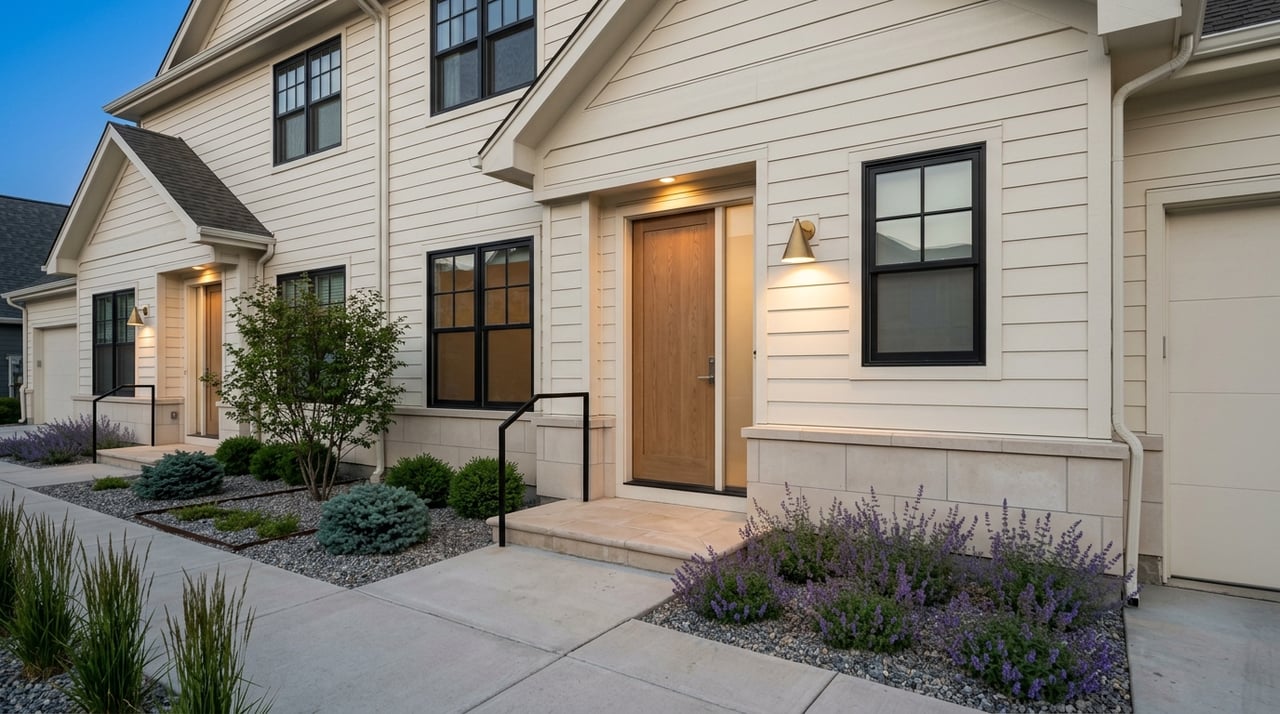
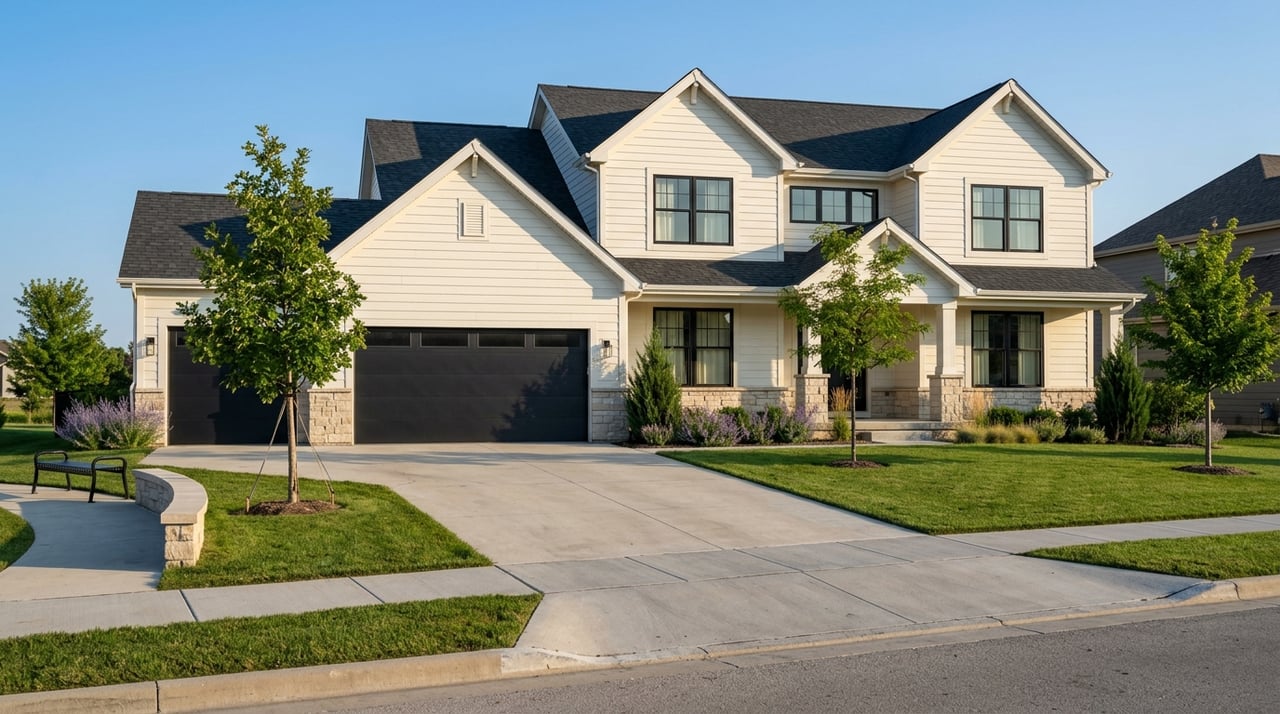
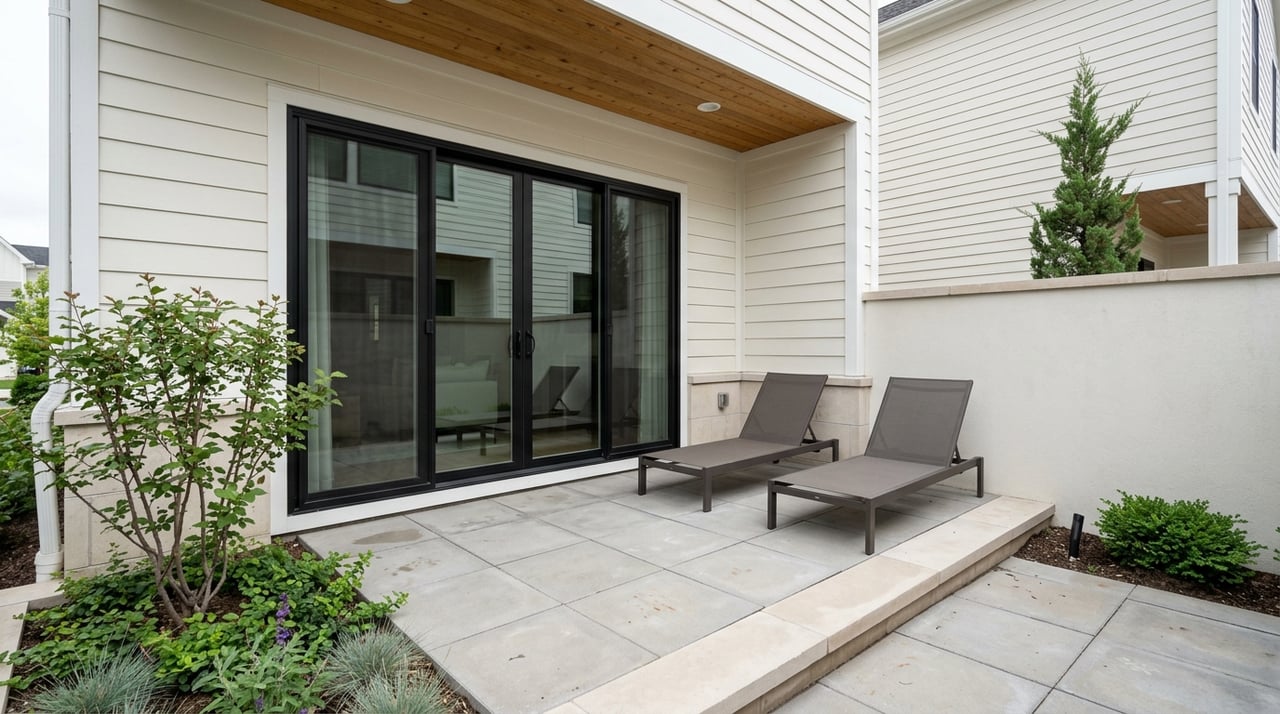

Whether clients are purchasing their first home, seeking a high-end property, building new, relocating for work, or looking for a mountain escape, Megan provides expert guidance and local insight every step of the way.

4703A BOARDWALK DR FORT COLLINS CO 80525