Boulder Luxury Home Selling Tips for a Stronger Launch
May 21, 2026
May 21, 2026
Wondering why some Boulder luxury listings gain traction quickly while others sit, chase the market, and end up with price cuts? If you are selling a high-end home, it is not enough to rely on the fact that your property is special. In Boulder’s current market, the homes that stand out usually pair smart pricing with polished presentation and a launch plan built for how buyers actually shop online. Let’s dive in.
Boulder is acting more like a balanced, price-sensitive market than a frenzy-driven one. In March 2026, Realtor.com reported 820 homes for sale, a 98% sale-to-list ratio, and 46 median days on market. Redfin’s March 2026 data showed a median sale price of $819,175, 52 median days on market, and a 97.4% sale-to-list ratio.
Those numbers matter because they show buyers are engaged, but they are also selective. Only 13.2% of homes sold above list price, while 27.7% had price drops. For a high-end seller, that is a clear sign that your first list price carries real weight.
Luxury pricing in Boulder works best when it is evidence-based, not aspirational. If your opening number overshoots the market, the listing can lose momentum fast and start to feel stale. A strong strategy is to build pricing around a tight comp set and then clearly justify any premium through features like views, privacy, lot utility, architecture, renovation quality, systems upgrades, and outdoor living.
Boulder is not one uniform luxury market. Realtor.com neighborhood data shows major variation in median listing prices, including about $995,000 in South Boulder, $1.535 million in Central Boulder, $1.575 million in North Boulder, and $1.995 million in Central Boulder–University Hill.
That spread is one reason broad citywide averages can only tell part of the story. If your home is custom-built, architecturally notable, or view-oriented, the most useful comparisons are usually a small group of nearby homes with similar setting, finish level, and land characteristics. In Boulder, micro-market pricing often matters more than big-picture pricing.
This is especially true at the high end, where buyers are often well-capitalized and highly informed. NAR’s 2025 Profile of Home Buyers and Sellers found that 26% of buyers paid all cash, the median down payment among all buyers was 19%, and 54% of repeat buyers used proceeds from a previous home to finance their next purchase. These buyers tend to notice quickly when a premium is justified and when it is not.
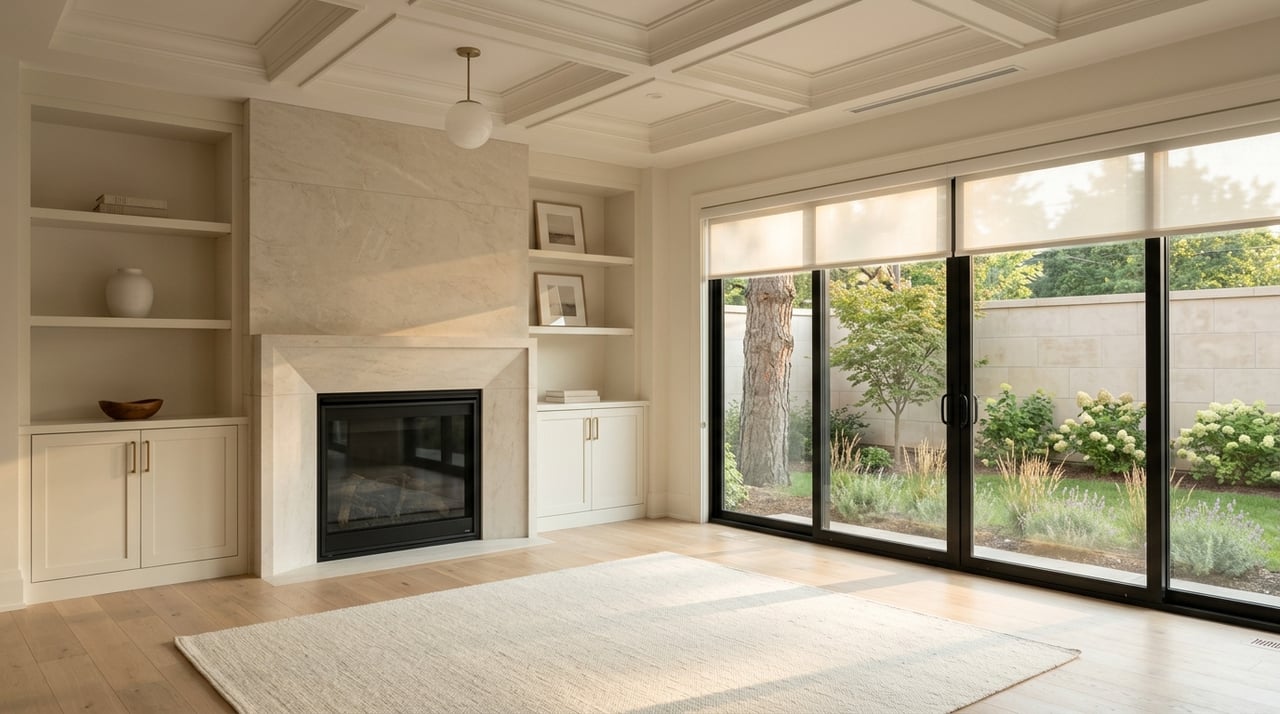
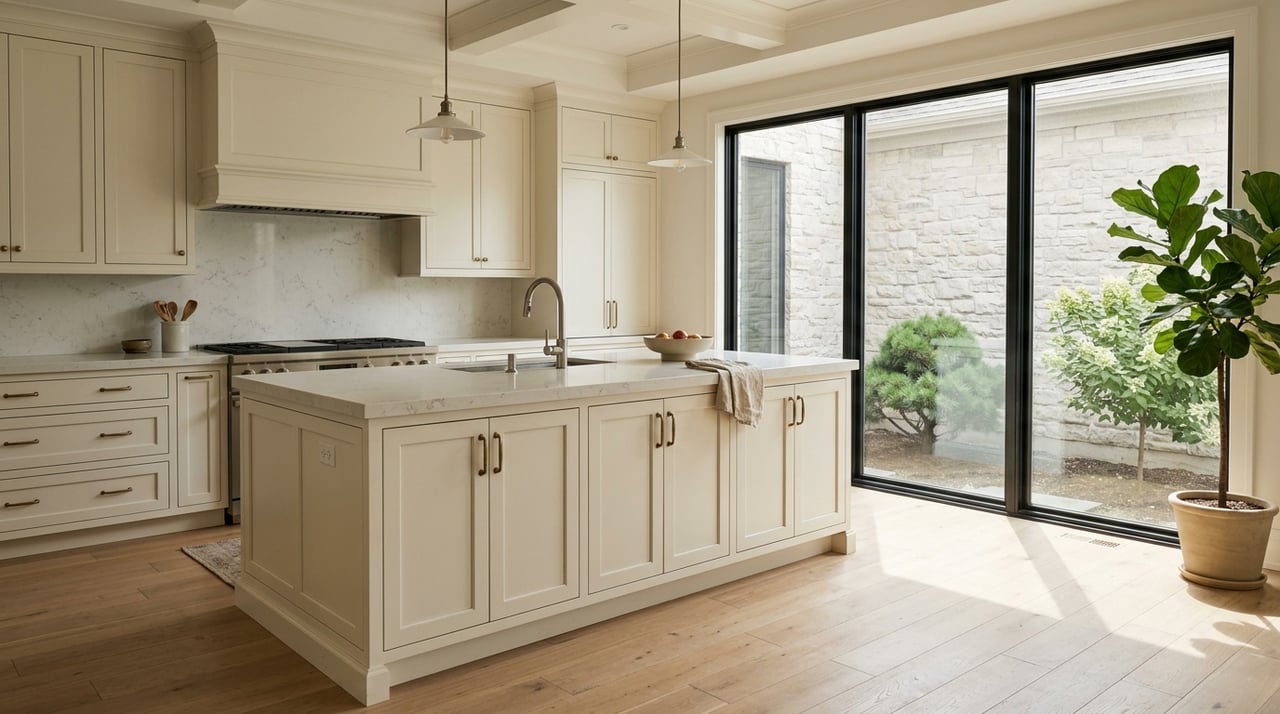
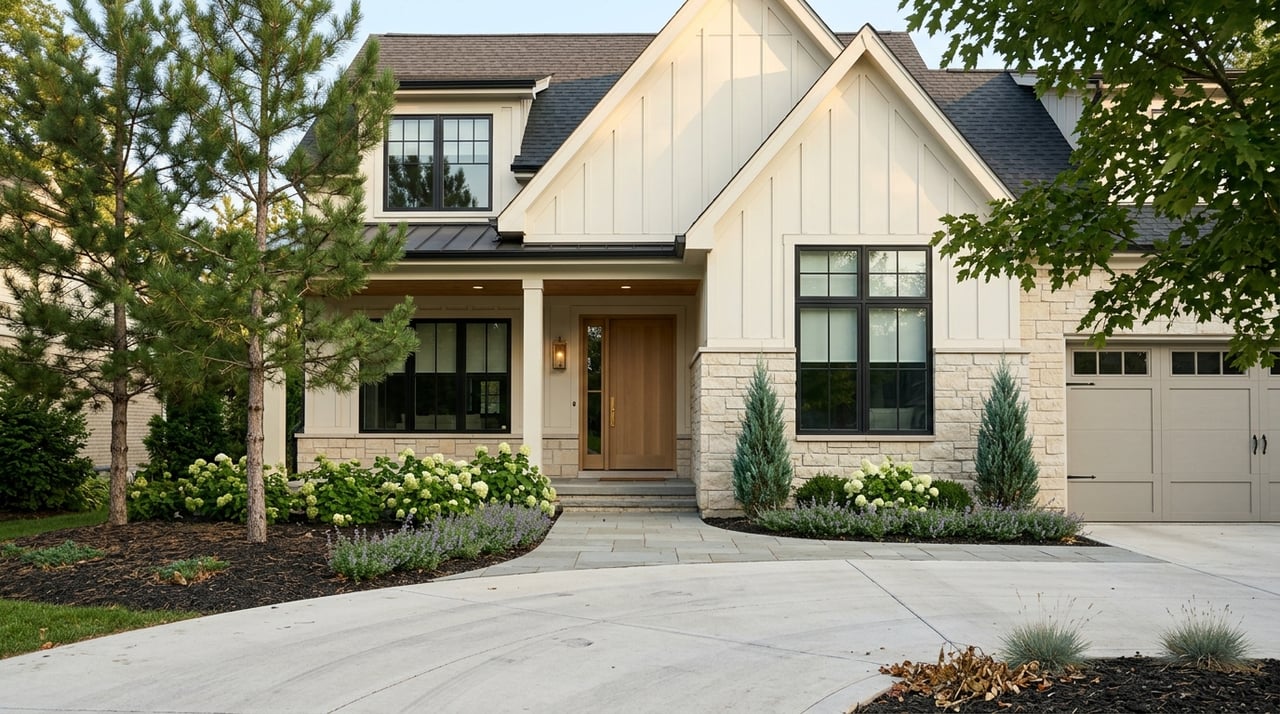
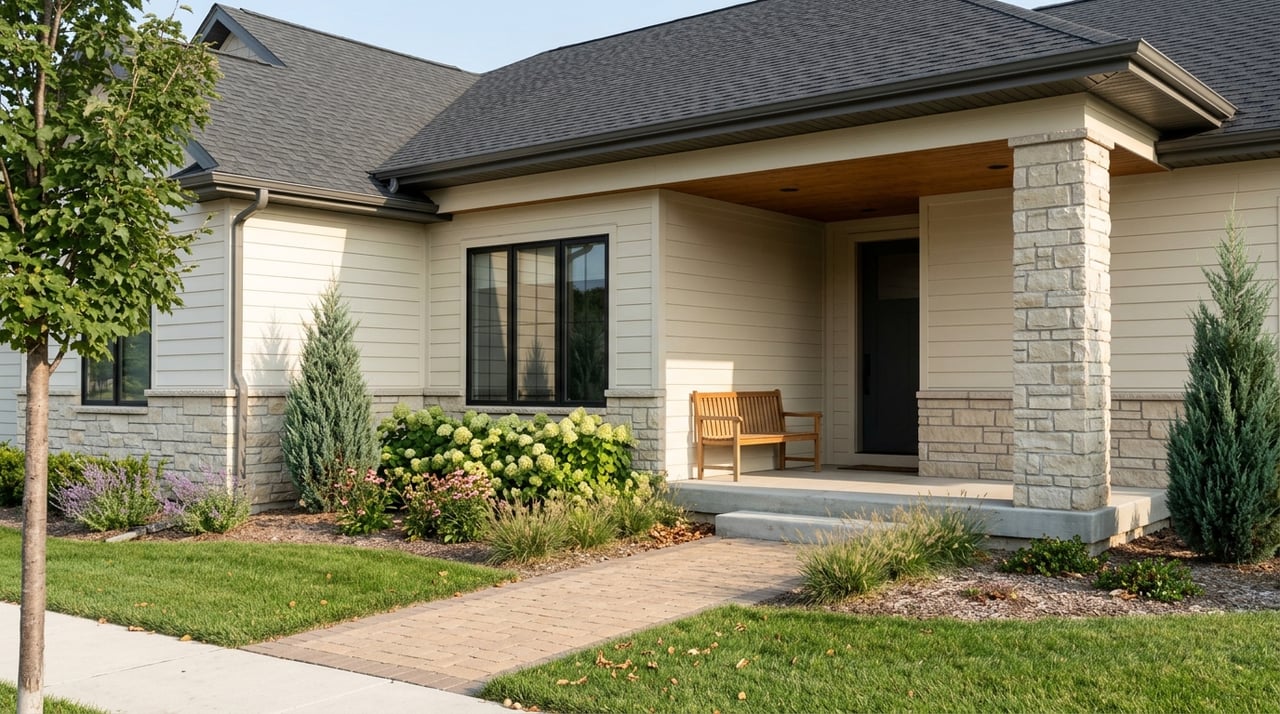
At the luxury level, presentation is not a finishing touch. It is part of the value story. NAR’s 2025 staging survey found that 83% of buyers’ agents said staging made it easier for buyers to visualize a home as their future property.
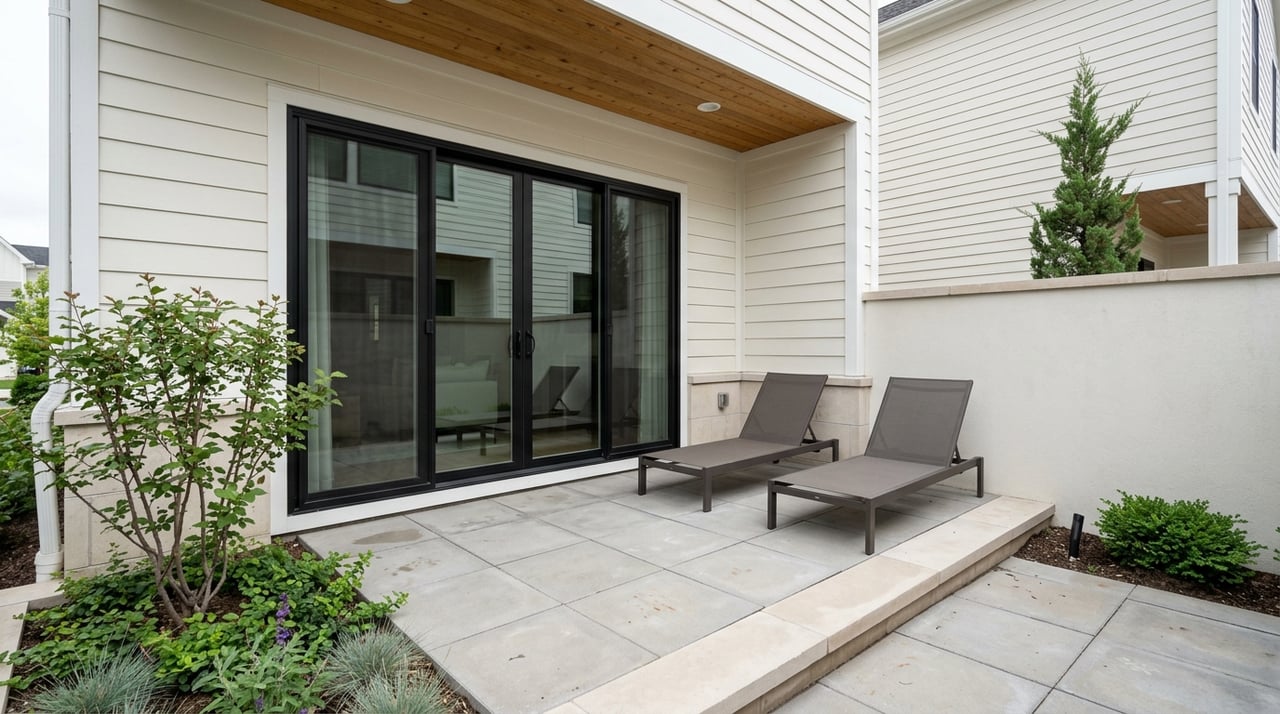
The same survey showed the rooms that matter most to stage are the living room, primary bedroom, and kitchen. For a Boulder high-end home, it also makes sense to present outdoor entertaining areas in a finished, intentional way, especially when indoor-outdoor living is part of the appeal.
Staging can also affect perceived value. In that same NAR survey, 17% of buyers’ agents said staging increased the dollar value offered by 1% to 5%. That does not mean every luxury home needs the exact same staging plan, but it does support investing in the rooms and spaces that shape first impressions most.
When buyers tour a high-end property, they often remember a handful of emotional touchpoints. In many Boulder homes, those include:
For architecturally distinctive homes, staging also helps buyers understand scale and circulation. Empty rooms can make a beautiful home feel harder to read, even when the design is excellent.
Most buyers will meet your home online before they ever step through the front door. NAR’s 2024 Profile of Home Buyers and Sellers found that 43% of buyers took their first step by looking for properties on the internet, all buyers used the internet in their search, and 69% used a mobile or tablet device.
Buyers also place high value on visuals. In NAR reporting, 81% rated listing photos as the most useful feature in their search, while floor plans mattered to 31% of buyers. Another NAR article, citing the 2025 profile, said 52% of buyers found the home they purchased online.
That means a luxury listing should launch fully prepared, not partially assembled. The first few days online carry extra weight, so your property should be market-ready from the start.
A high-end Boulder launch often benefits from a more complete media package, including:
This kind of launch helps buyers understand not just what the home has, but also how it lives. In a market where neighborhood quality and lifestyle fit matter, your marketing should describe the setting and daily experience with clear, factual language.
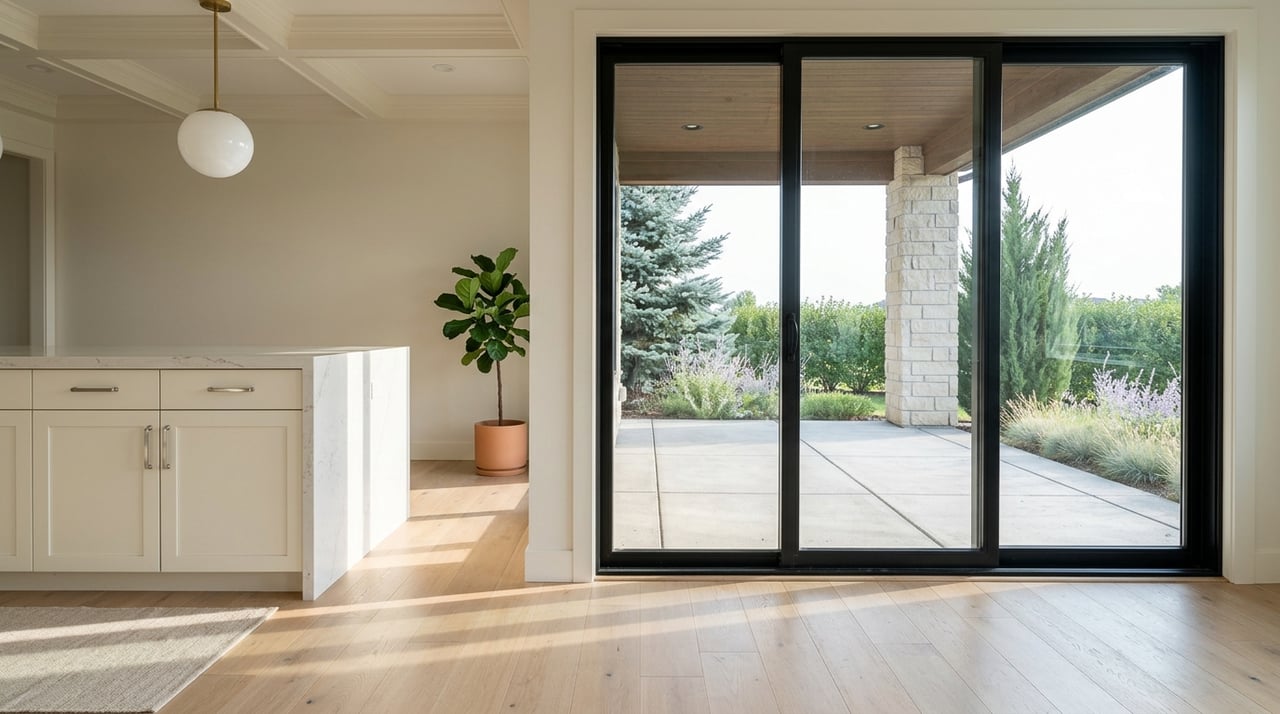
Luxury buyers are rarely paying for square footage alone. They are responding to a combination of design, location, privacy, functionality, and feel. If your home offers exceptional natural light, a rare lot, mountain views, a notable renovation, or seamless outdoor living, those details should be presented as part of a cohesive story.
That story should be specific and credible. Instead of relying on generic luxury language, the marketing should show why this particular property stands apart from other homes in Boulder at a similar price point. Clear messaging supports pricing, buyer confidence, and stronger showing interest.
In Boulder, high-end listings often come with practical questions that matter to serious buyers. Two of the biggest are historic review and wildfire resilience. These topics do not need to dominate the marketing, but they should be addressed with care and preparation.
When you are ready with details, buyers tend to feel more confident. When key property questions are unclear, hesitation can creep into the process.
Boulder has an active historic-preservation system. The city reports 10 historic districts and 200 individual landmarks, totaling more than 1,300 designated properties.
If your home is landmarked or located in a historic district, exterior changes require a Landmark Alteration Certificate. The city also notes that non-designated buildings older than 50 years may still require historic demolition review. For sellers of architecturally notable homes, it helps to be ready to explain what has been approved already, what may be subject to review, and what future changes may require city oversight.
Wildfire is another Boulder-specific topic that can affect buyer questions, especially for foothills properties or homes near open space. Boulder County says the county ranks among the USDA Forest Service Rocky Mountain Region’s top 10 most-at-risk areas from wildfire, and the city has reported that updated risk mapping increased the number of homes considered higher risk from around 4,600 to more than 16,000.
The city’s wildfire guidance emphasizes non-combustible hardscaping in the first 5 feet around the structure, and Boulder offers free Detailed Home Assessments to identify vulnerabilities and recommend improvements. Boulder County also states that wildfire mitigation code requirements apply to new buildings, additions, alterations, and repairs in certain unincorporated areas.
If you have completed wildfire-resilience work, that information can be useful in the listing packet and showing process. Buyers may want clarity around landscaping, roof and siding choices, or other improvements that affect maintenance and risk preparedness.
One of the biggest mistakes luxury sellers can make is assuming a rare home will automatically find the right buyer at any price. In Boulder’s current environment, that approach can backfire. A balanced market rewards preparation, precision, and timing.
The strongest high-end sales often come from a simple formula:
That is how you protect momentum and avoid the drag that comes with overpricing or under-preparing. When your home enters the market with a strong first impression and a clear value story, you give buyers a reason to act.
If you are thinking about selling a high-end home in Boulder, the right plan can make a meaningful difference in both buyer response and final outcome. For personalized guidance and a thoughtful, high-touch approach to positioning your home, connect with Megan Beck.
Whether clients are purchasing their first home, seeking a high-end property, building new, relocating for work, or looking for a mountain escape, Megan provides expert guidance and local insight every step of the way.

4703A BOARDWALK DR FORT COLLINS CO 80525