
Longmont vs Boulder Housing Market: Find Your Best Fit
March 5, 2026
March 5, 2026
Choosing between Longmont and Boulder can feel like comparing two great options for very different reasons. You want the right mix of price, pace, lifestyle, and commute without second-guessing your choice a month later. In this guide, you’ll see how the numbers stack up, what your budget actually buys, and which market tends to fit different goals. Let’s dive in.
As of Jan 2026, Redfin’s city medians show Boulder around $901,350 and Longmont around $537,500. In practical terms, that is a sizable affordability gap for buyers weighing both cities (Redfin, Jan 2026). Price per square foot follows the same pattern, with Boulder near $490/sqft versus Longmont near $260/sqft (Redfin, Jan 2026).
Pace has cooled from the pandemic peak, giving you more time to evaluate options. Redfin’s January 2026 snapshot shows a median time to sell of about 100 days in Boulder and 95 days in Longmont. Sale-to-list metrics point to modest negotiation room, with Boulder near 96.2% and Longmont around 97.5% (Redfin, Jan 2026). Regionally, the Front Range has been normalizing rather than crashing, with more active listings than during 2021–2022 (industry reporting through early 2026).
Your budget stretches very differently in each city. The per-square-foot gap means more interior space or larger lots in Longmont at the same price point, while Boulder often trades space for location and walkability.
You will see a mix of older Victorians and Craftsman bungalows in central neighborhoods like Mapleton Hill, mid-century homes in South Boulder and Table Mesa, and high-end remodels or luxury infill near downtown. Condos and townhomes closer to CU and Pearl Street are common. Inventory closer to trailheads and downtown amenities typically commands a premium.
Longmont leans toward suburban single-family neighborhoods such as Southmoor Park, plus historic pockets in Old Town near Main Street. You will also find newer subdivisions and infill that often deliver more square footage, yard space, and garages for the money. Attached homes and townhouses broaden entry-level and move-up options.
Boulder is known for immediate access to open space and a robust trail and bikeway network, along with the Pearl Street area as a cultural anchor. These are key reasons the city holds its price premium. You can learn more about Boulder’s tourism and amenity base through the Boulder Economic Council’s overview of the local economy and visitor draw, which helps explain housing demand patterns in the city’s core and near-campus areas. For added context, explore the council’s summary of Boulder’s visitor economy and open space influence on demand through their tourism and economy page at the Boulder Economic Council.
Longmont’s Old Town and Main Street offer a smaller-scale, walkable core with a growing food and brewery scene supported by local events. The city positions itself as family friendly with parks and community programming, and it benefits from improving transit connections to Boulder and Denver over time.
Explore Boulder’s visitor economy and amenity drivers
See Longmont’s transit context and local highlights
Boulder is served by Boulder Valley School District (BVSD), while most Longmont addresses fall within St. Vrain Valley School District (SVVSD). School quality and programs vary by campus, so verify boundaries and offerings for each property you consider. For enrollment and boundary tools, start with BVSD’s official resources and confirm program availability by address before you write an offer.
Check BVSD enrollment and boundary resources
Boulder concentrates higher education, research, and a dense startup and tech ecosystem anchored by CU Boulder and national labs. This creates strong demand for walkable locations and well-located rentals near campus and downtown. Longmont’s base is more manufacturing, education, healthcare, and distribution oriented, which supports a different commute pattern and housing mix.
Review Longmont’s top employers list (2024)
See Boulder’s tourism and economy overview
Boulder–Denver travels along US‑36 with the Flatiron Flyer express bus service, while Longmont–Boulder rides the CO‑119 corridor via the BOLT bus today. Colorado DOT’s CO‑119 project plans Bus Rapid Transit on the Diagonal, which is expected to improve service frequency and reliability over a multi-year horizon. Use this if you want transit access to evolve in your favor over time.
Learn about CO‑119 Bus Rapid Transit plans
See FF1 service details for US‑36
For driving, plan on roughly 20 to 30 minutes from Longmont to Boulder in off-peak conditions and longer during rush hour. Always confirm routes and times for your specific schedule and season. A real-time planner helps you compare commute windows before you buy.
Try a real-time route planner to test drives
If you want top-tier walkability, quick access to trailheads, and downtown amenities and you can budget for a higher price per square foot, Boulder fits well. Expect smaller lots or older-historic homes in core areas with a premium on location. Pricing and time-to-contract reflect ongoing demand for well-located properties (Redfin, Jan 2026).
If your goal is a larger home, yard, or newer construction at a lower entry price, Longmont often delivers more for your budget. You may trade a slightly longer commute for a bigger footprint, a three-car garage, or outdoor living spaces that are harder to match in Boulder at the same price (Redfin, Jan 2026).
Boulder’s proximity to CU and its dense rental market supports demand at higher rent levels, though entry prices are higher. Zillow’s Jan 2026 rental index places Boulder metro rents near $2,200 to $2,300, while local reporting in Longmont cited average rents near $1,700 in 2023. Some Longmont product may offer higher yields due to lower acquisition costs. Always confirm neighborhood-level rent trends and vacancy before you buy.
In Boulder, highlight location benefits like proximity to trails, CU, and downtown, along with historic charm or premium upgrades. In Longmont, emphasize square footage, yard, garage space, and access to local employers or the CO‑119 corridor. Use current days-on-market and sale-to-list ratios to set pricing and timing expectations with room for negotiation (Redfin, Jan 2026).
You deserve a clear, data-backed plan that matches your goals. If you want boutique guidance backed by a top national brand, let’s talk through your priorities, property options, and timing so you can move forward with certainty. Reach out to Megan Beck to compare neighborhoods, refine value, and plan your next step.

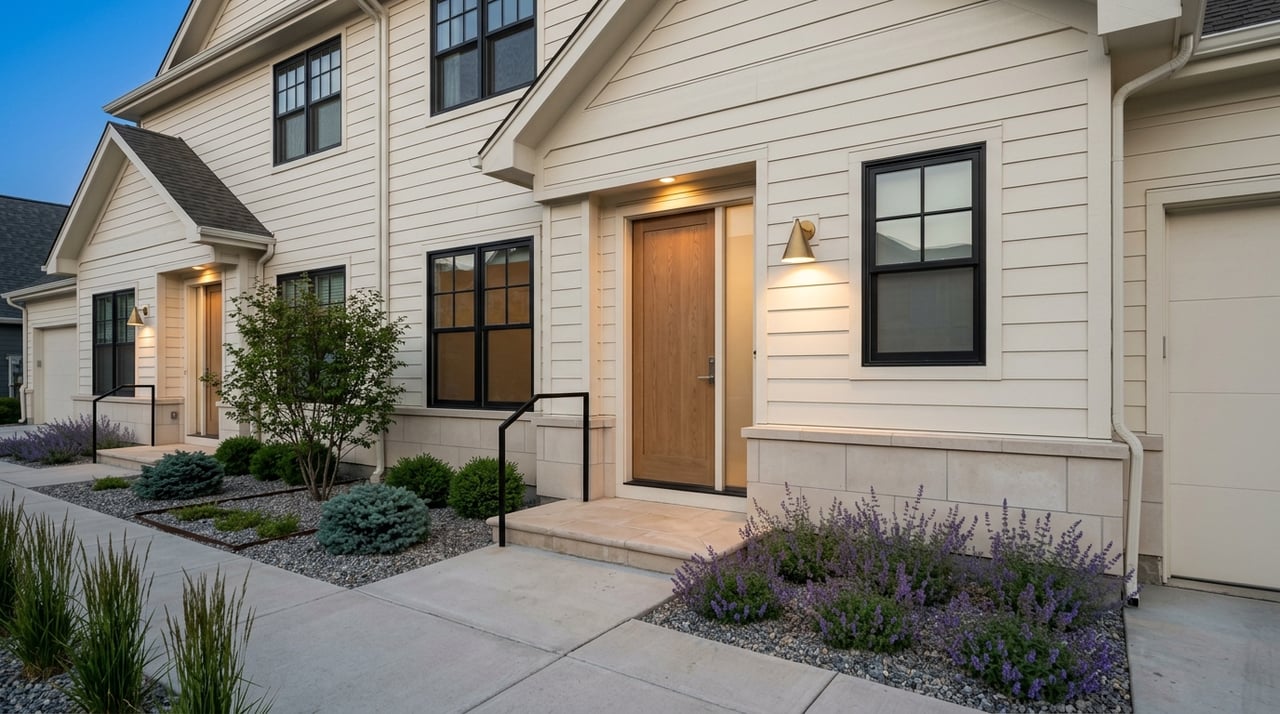
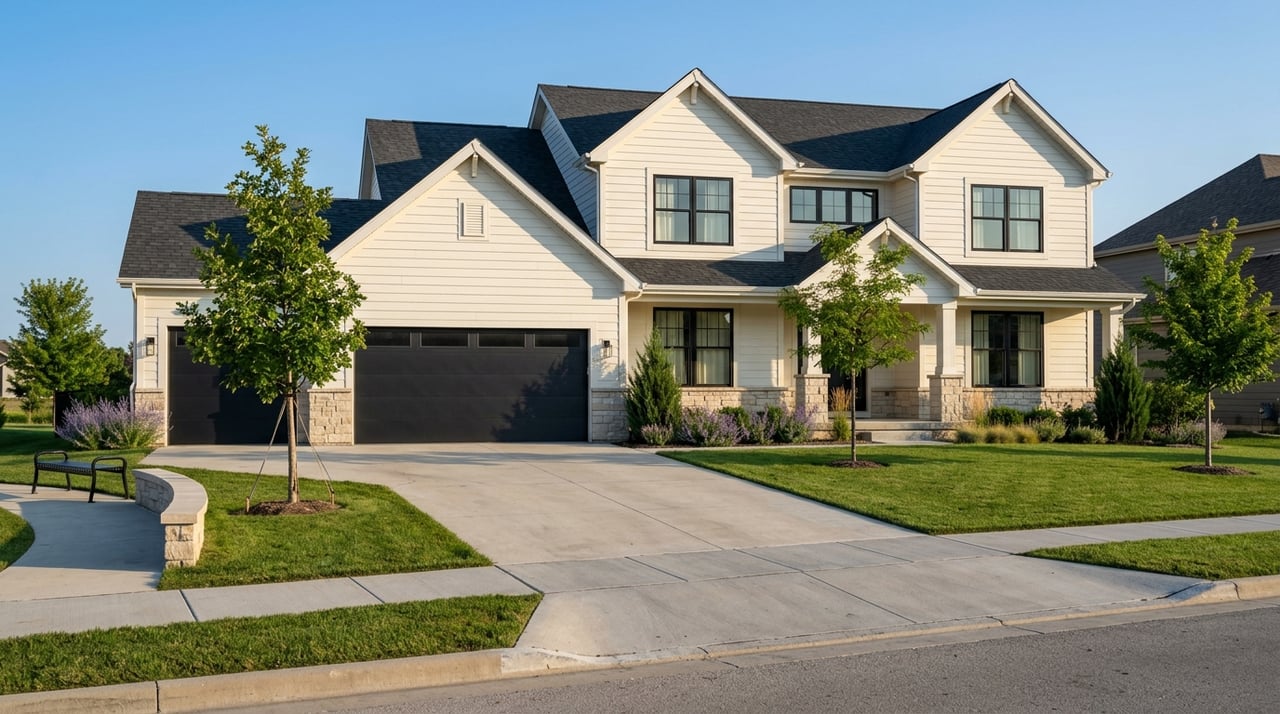
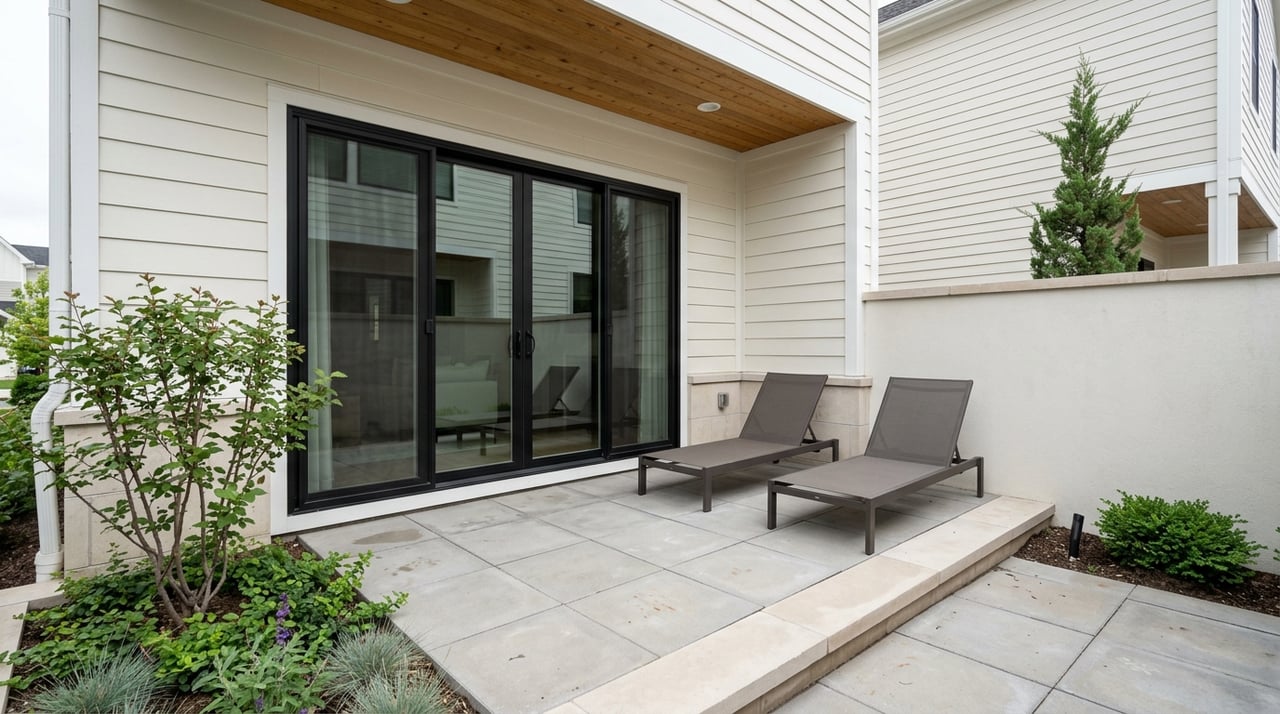
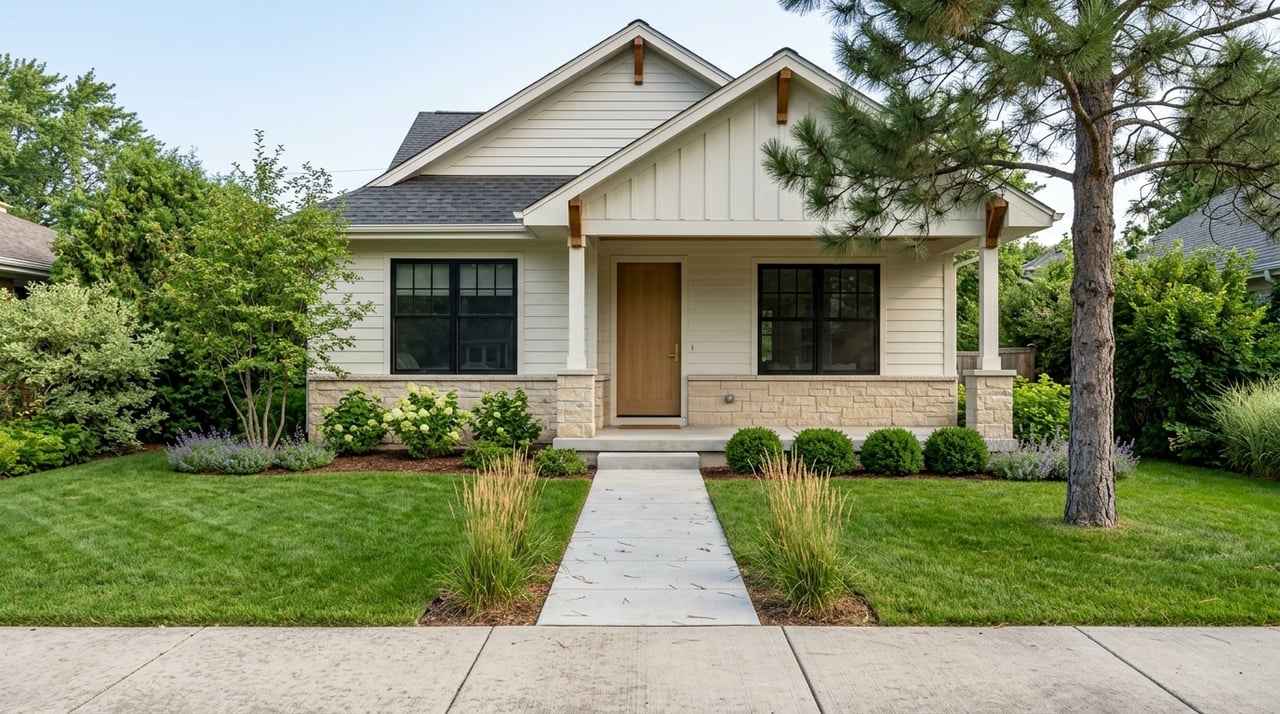

Whether clients are purchasing their first home, seeking a high-end property, building new, relocating for work, or looking for a mountain escape, Megan provides expert guidance and local insight every step of the way.

4703A BOARDWALK DR FORT COLLINS CO 80525