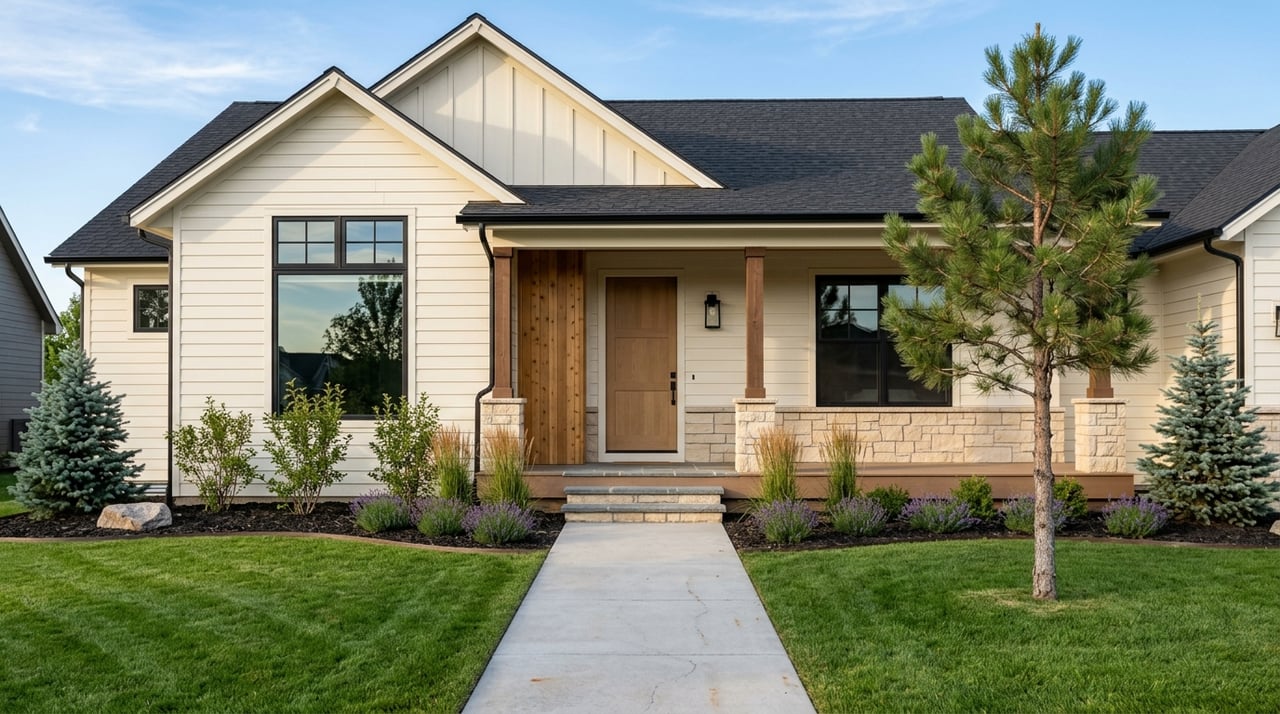
Berthoud CO Small-Town Living: Charm, Views & Community
April 2, 2026
April 2, 2026
If you want a place that feels connected without feeling crowded, Berthoud deserves a closer look. For many buyers, the challenge is finding a town that offers everyday convenience, outdoor access, and a real sense of community without giving up regional mobility. Berthoud stands out for exactly that balance, and this guide will help you understand what living here can actually feel like. Let’s dive in.
Berthoud sits between Longmont and Loveland and along the I-25 and U.S. 287 corridors, which gives you practical access to the north Front Range while still preserving a smaller-town setting. According to the Town of Berthoud’s economic development overview, that location is one of the community’s defining strengths.
If you are relocating from a busier city or simply want more breathing room, that combination can be especially appealing. Berthoud does not read like an isolated rural town. Instead, it feels like a place where you can enjoy a calmer pace while staying connected to nearby job centers, shopping, and services across Northern Colorado.
Berthoud’s identity is shaped by a long local history. The town’s housing plan notes that the Colorado Central Railroad arrived in 1877 and that Berthoud was incorporated in 1888, while local preservation materials highlight the town’s agricultural roots and ongoing efforts to keep that history visible through preservation and community education.
That history is not tucked away in a museum and forgotten. It still shows up in how the town looks, how downtown functions, and how community events bring people together through the year. If you value a place with a strong sense of continuity, Berthoud offers that in a very visible way.
One of the biggest reasons Berthoud feels distinct is its historic downtown. The town’s Mountain Avenue corridor plan describes the historic brick buildings along the 300 and 400 blocks as the heart of downtown, with a clear focus on preserving older structures, improving the street scene, and encouraging adaptive reuse.
For you as a buyer, that matters because it shapes daily life. Instead of a town built entirely around scattered commercial strips, Berthoud has a recognizable center with character, walkability, and a stronger sense of place. It feels lived-in rather than manufactured.
The community rhythm reinforces that experience. The town’s heritage resources describe Berthoud as a tight-knit community, and the downtown area includes landmarks such as the Berthoud Historical Society building and the Pioneer Museum. Nearby, Town Park hosts the seasonal Berthoud Market, which brings together neighbors, local vendors, and live music.
For many buyers, lifestyle is not just about the house itself. It is also about whether a town gives you easy ways to plug in, spend time outside, and build routines close to home.
Berthoud has several official community events that help create that local rhythm. The town highlights the annual 3rd of July fireworks celebration at Waggener Farm Park, along with A Very Merry Berthoud, a holiday festival that includes a Parade of Lights and other seasonal activities.
These kinds of events may sound simple, but they can have a big impact on how a place feels over time. They create familiar traditions and help reinforce Berthoud’s reputation as a town where civic life still centers on shared spaces and community gatherings.
Berthoud’s mountain views are not just a lucky side effect of geography. The town has made open space and view preservation part of its planning approach. Its Open Space Plan states that preserving view corridors is important to maintaining the town’s rural identity, including views of agricultural land, natural areas, and the mountains along major roadway corridors.
That planning philosophy shapes what you experience as you move through town. In many places, growth can quickly erase the very scenery that drew people there in the first place. Berthoud’s planning documents show a clear effort to protect the visual character that makes the area feel open and grounded.
The town’s comprehensive planning also points to the role of open space in protecting agricultural uses, natural areas, and drainageways such as the Little Thompson River and Dry Creek. For buyers who care about a stronger connection to the landscape, that is a meaningful part of the story.
Berthoud is not just close to outdoor recreation. It has outdoor amenities woven directly into the community. That can make a big difference if you want an active lifestyle without needing to drive far for everyday access.
Berthoud Reservoir Park & Open Space opened to the public in 2020 and includes a walking trail, fishing, paddle-craft access, parking, and restrooms. It is the kind of amenity that supports both quick weekday outings and slower weekend routines.
The 20-acre Berthoud Bike Park adds another layer to the outdoor scene with jump and flow lines, a dual slalom track, cross-country mountain bike trails, a bicycle playground, and a large pump track. If you enjoy biking or want recreation options close to home, that is a standout feature for a town this size.
Waggener Farm Park also plays a major role in daily recreation. The site includes trails, open space, athletic fields, a destination playground, a pavilion, a skate park, and indoor aquatic and fitness facilities at the recreation center. Together, these amenities support a lifestyle that feels active, open, and easy to maintain.
One of the most helpful things to know about Berthoud is that it does not offer just one type of setting. The town’s housing plan explains that areas west of I-25 are largely rural, with farmland, ranches, and strong Rocky Mountain views. Areas east of I-25 transition into residential subdivisions and the commercial areas tied to downtown along Mountain Avenue.
That means your experience of Berthoud can vary quite a bit depending on where you focus your search. Some areas feel more rural and open, while others offer a more neighborhood-oriented residential pattern with easier access to town amenities.
There is also a mix in the housing stock itself. Planning documents note older homes and adaptive reuse near downtown, which adds to the sense that Berthoud is not defined only by new development. If you are comparing options, it helps to think less in terms of one single Berthoud lifestyle and more in terms of which part of Berthoud best fits how you want to live.
A lot of small towns feel appealing until you start thinking about the practical side of daily movement. Berthoud addresses that better than many buyers expect.
The town provides Berthoud Area Transportation Service, a door-to-door service within Berthoud and to Loveland. Berthoud also works with Fort Collins to provide two downtown stops for the Transfort FLEX bus service.
Combined with access to I-25 and U.S. 287, those options help explain why Berthoud works for people who want a smaller-town home base while remaining tied to the wider region. If your work, family, or daily routine stretches across Northern Colorado, that connectivity can be a real advantage.
Berthoud can make sense for several kinds of buyers. If you are relocating to Northern Colorado, it offers a strong introduction to the region’s small-town side while still keeping major corridors within reach.
If you are moving up into a home with more space, the town’s mix of residential neighborhoods, rural edges, open views, and recreation amenities may line up well with your next chapter. And if you are looking for a lifestyle-driven move, Berthoud offers something that can be hard to find: a town with a true center, visible open land, and a pace that feels more grounded.
The key is understanding how the different parts of town align with your goals. Commute patterns, preferred setting, housing style, and how much you value downtown access versus rural feel all matter here.
If Berthoud is on your shortlist, it helps to tour with a clear lens. Pay attention to how each area feels at different times of day, how often you expect to use recreation amenities, and whether you want a more historic setting, a neighborhood setting, or a property with a more open backdrop.
You should also think about your regional routine. Berthoud’s location is a major strength, but the right fit often comes down to how you personally balance small-town atmosphere with access to nearby communities.
If you want help sorting through those trade-offs, working with a local expert can make the process much more efficient. Megan Beck offers boutique, personalized guidance for buyers and sellers across Northern Colorado, helping you evaluate not just homes, but the lifestyle fit behind them.
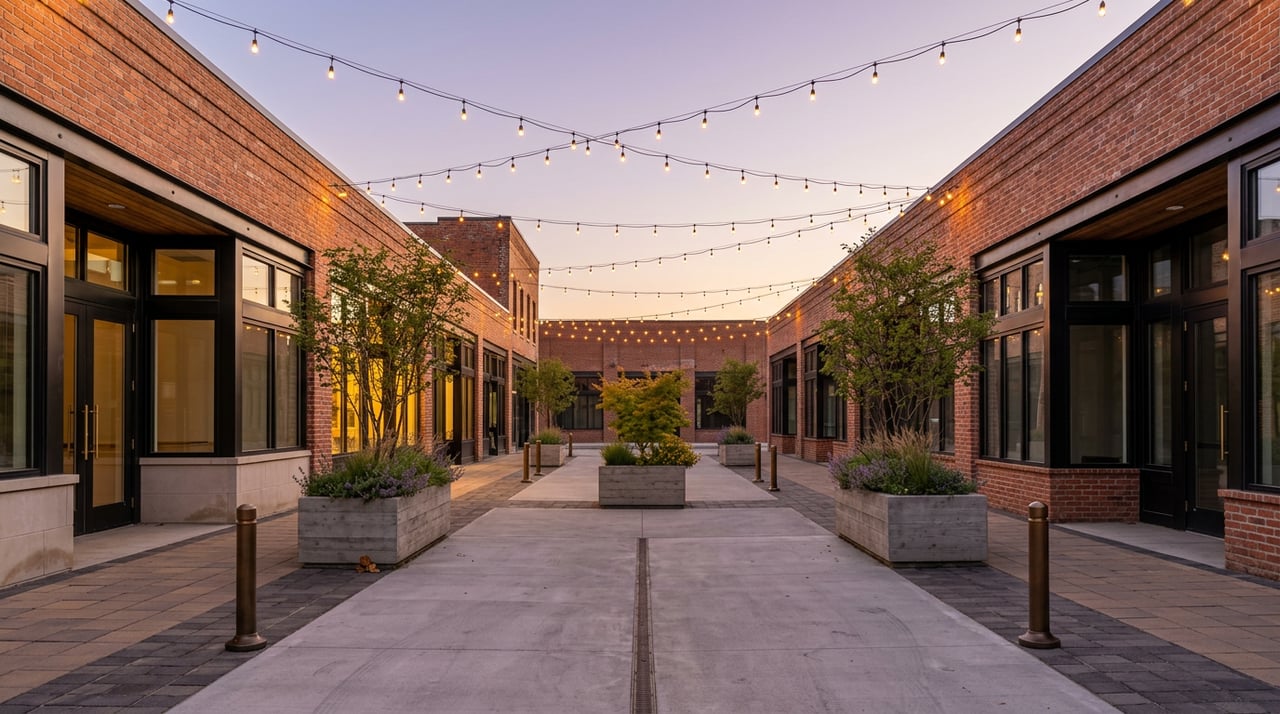
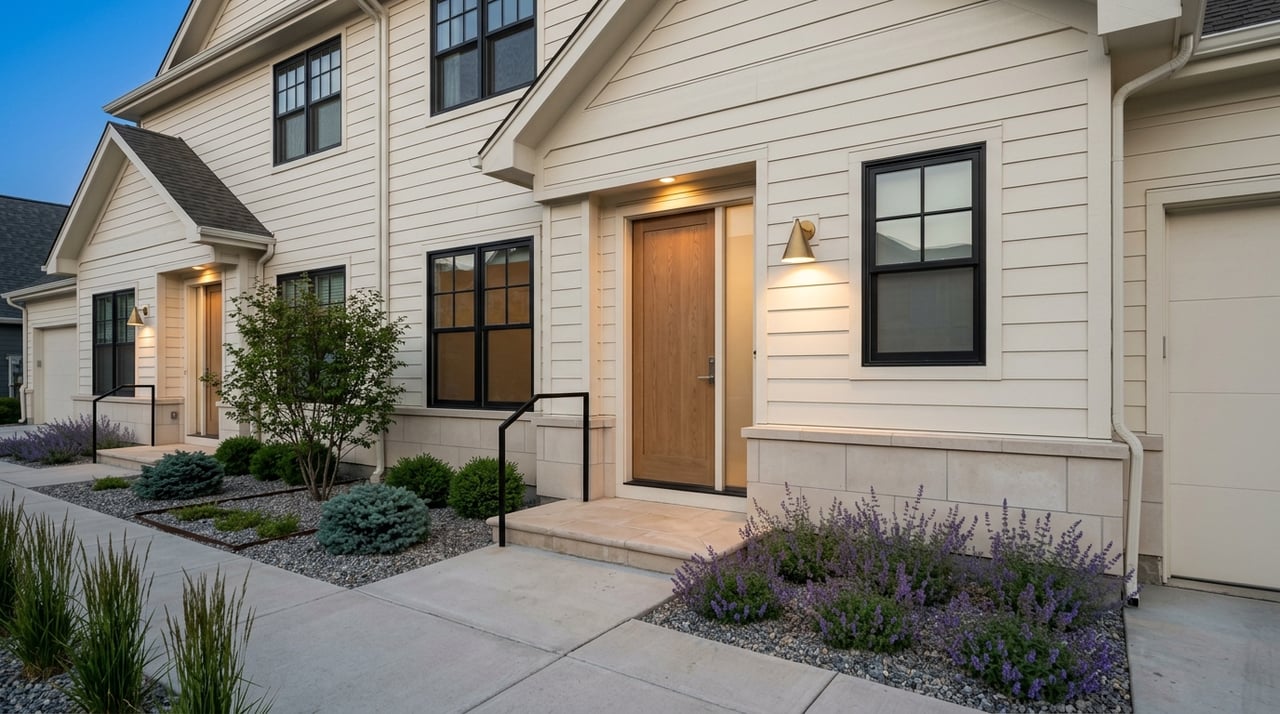
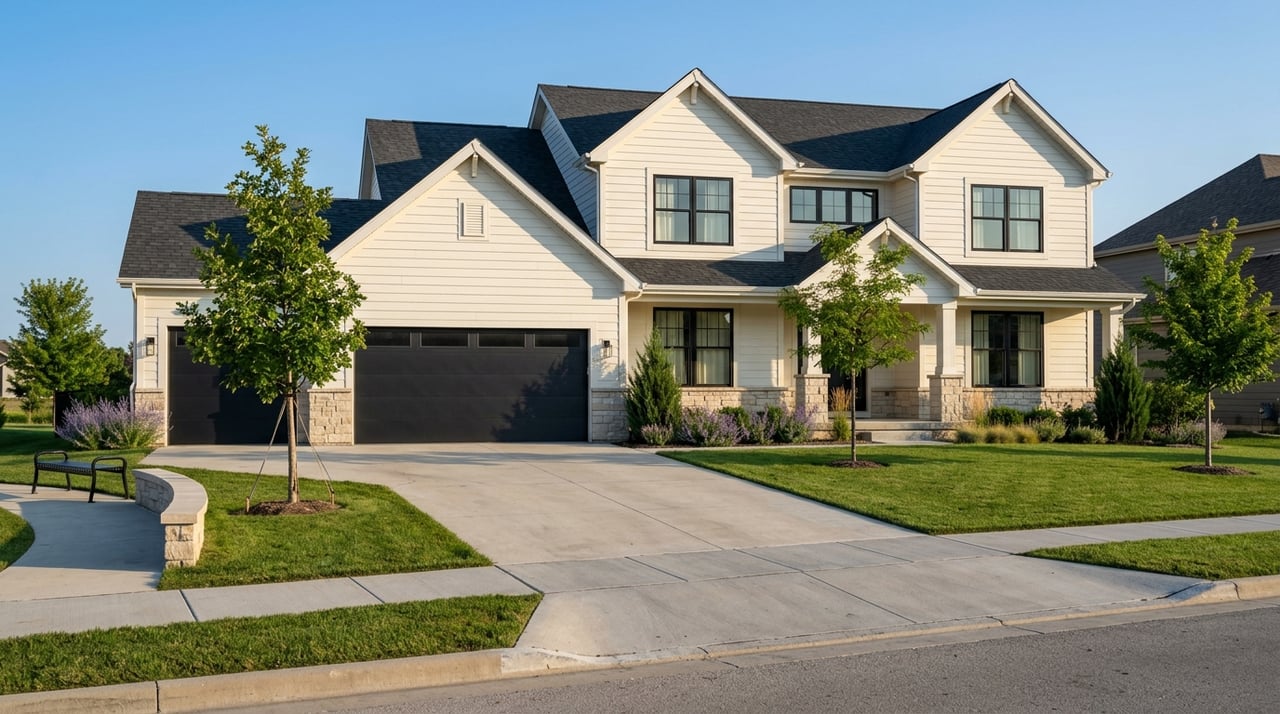
Whether clients are purchasing their first home, seeking a high-end property, building new, relocating for work, or looking for a mountain escape, Megan provides expert guidance and local insight every step of the way.
4703A BOARDWALK DR FORT COLLINS CO 80525