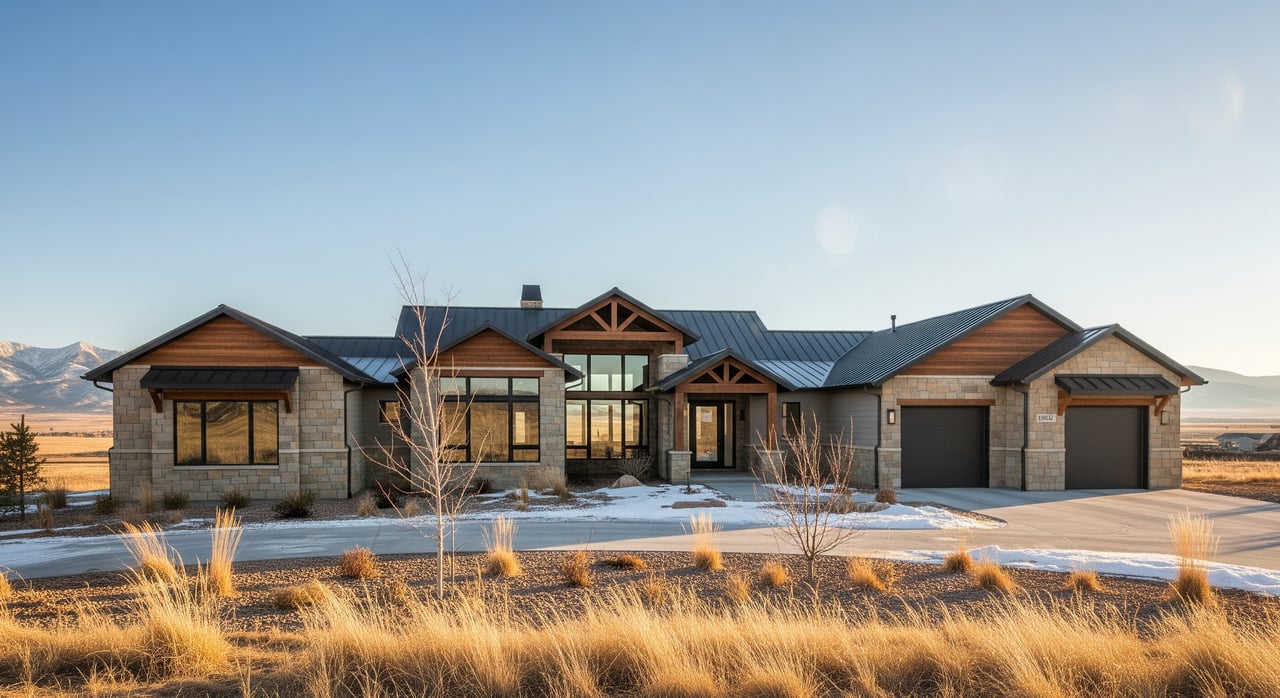
Your New Construction Johnstown Guide: Timelines & Warranties
January 1, 2026
January 1, 2026
Thinking about building new in Johnstown and wondering how long it really takes or what the warranty actually covers? You’re not alone. In a fast-growing market, timelines and protections can feel murky. This guide gives you realistic schedule ranges, what to do at key milestones, what typical builder warranties include, and smart questions to ask before you sign. Let’s dive in.
Johnstown is growing quickly as Northern Colorado expands. New subdivisions and master-planned communities roll out in phases, and that affects more than just your floor plan. Early phases often coincide with active infrastructure work, HOA formation, and builder logistics like temporary roads and utility staging.
Local permitting also matters. Homes inside town limits go through the Town of Johnstown building department, while unincorporated lots follow Weld County. Expect checkpoints such as foundation, framing, rough mechanicals, insulation, and final inspections. Permit workloads and infrastructure completion can slow things down, even when your home is on track.
A practical step is to ask each builder for recent examples of permit turnaround times and average days from permit to closing in the current phase. You’ll set better expectations and spot potential bottlenecks early.
Every build is different, but common ranges in Johnstown look like this:
These are ranges, not guarantees. Weather, municipal inspections, subcontractor and material availability, change orders, and phase infrastructure can all extend schedules. Lot topography and permit backlogs are common local factors too.
Understanding the sequence helps you plan around key decisions and appointments.
You’ll sign a purchase agreement and pay deposits tied to the lot or a spec home. The contract should outline an estimated completion window, selection deadlines, and how delays are handled. Clarify what happens if external factors, like infrastructure, push move-in past projections.
You’ll visit the design center to choose finishes such as flooring, counters, cabinets, and fixtures. Selections often have firm deadlines. In parallel, keep your loan process moving, including appraisal ordering and financing contingencies.
Site clearing, grading, and utility prep typically take 1 to 4 weeks. Foundation cure time and inspections are critical gating items. Weather and inspection scheduling can influence this stage.
Framing often takes 2 to 6 weeks. The goal is to get the home “dried in” with sheathing, roofing, and windows so interior work can proceed. Adverse weather can slow exterior closure.
Mechanical, electrical, and plumbing rough-ins usually run 1 to 3 weeks. Municipal rough inspections happen now, and this is the ideal time to schedule a pre-drywall inspection with an independent professional.
Drywall, paint, cabinetry, flooring, and trim can take several weeks to months depending on your upgrades and trade schedules. Small changes at this stage can ripple into schedule delays.
Expect final municipal inspections, a builder punchlist walk, and a certificate of occupancy before closing. Plan time to verify that agreed repairs are complete and to schedule your final independent inspection.
Design centers are exciting, but they also drive budget and timing. Many builders use allowances, which are set budgets for categories like flooring or lighting. If you pick beyond the allowance, you pay the difference through a change order. Late selections or changes can carry fees and delay the schedule.
To stay in control:
Ask whether upgrade deposits are refundable and how credits work if you skip a standard item. Clear language now prevents surprises later.
Municipal inspections check code compliance. A third-party inspector focuses on workmanship and long-term performance. Staged inspections let you spot issues before finishes conceal them.
Recommended stages:
Common new-build issues include improper flashing that can invite water intrusion, unsealed HVAC ductwork, drywall cracks at joints, settlement cracks, siding or flashing errors, and mechanical support issues. Independent inspections help catch these early.
Many production builders follow a typical three-tier structure:
Some builders use third-party warranty companies to back the structural coverage, which can help with claim administration. Exact terms vary by builder and contract, so review the full warranty in writing before you sign.
What to review closely:
In Colorado, your contract and written warranty govern your remedies. There is no single statewide warranty that overrides those documents. For questions on representation or dispute options, consult resources from the Colorado Division of Real Estate and the Colorado Attorney General’s consumer protection office.
Before you sign, watch for clauses that affect your options later. Arbitration or mandatory mediation, strict notice windows for warranty claims, and limits on damages can change your path to resolution. Ask about these provisions and how they work in practice.
Buyer representation makes a difference. An experienced agent or real estate attorney can:
Use these to set clear expectations and compare options:
If you’re targeting a new build in Johnstown, start by aligning your desired move-in date with realistic ranges for the community and phase. Build a design budget with a cushion for upgrades, and plan for independent inspections at pre-drywall and near completion. Ask for the full contract and warranty up front, and clarify how claims and timelines are handled.
You do not need to navigate this alone. With deep Northern Colorado experience and a high-touch, boutique approach backed by RE/MAX resources, Megan Beck helps you compare builders, protect your interests, and move with confidence.

Whether clients are purchasing their first home, seeking a high-end property, building new, relocating for work, or looking for a mountain escape, Megan provides expert guidance and local insight every step of the way.
4703A BOARDWALK DR FORT COLLINS CO 80525