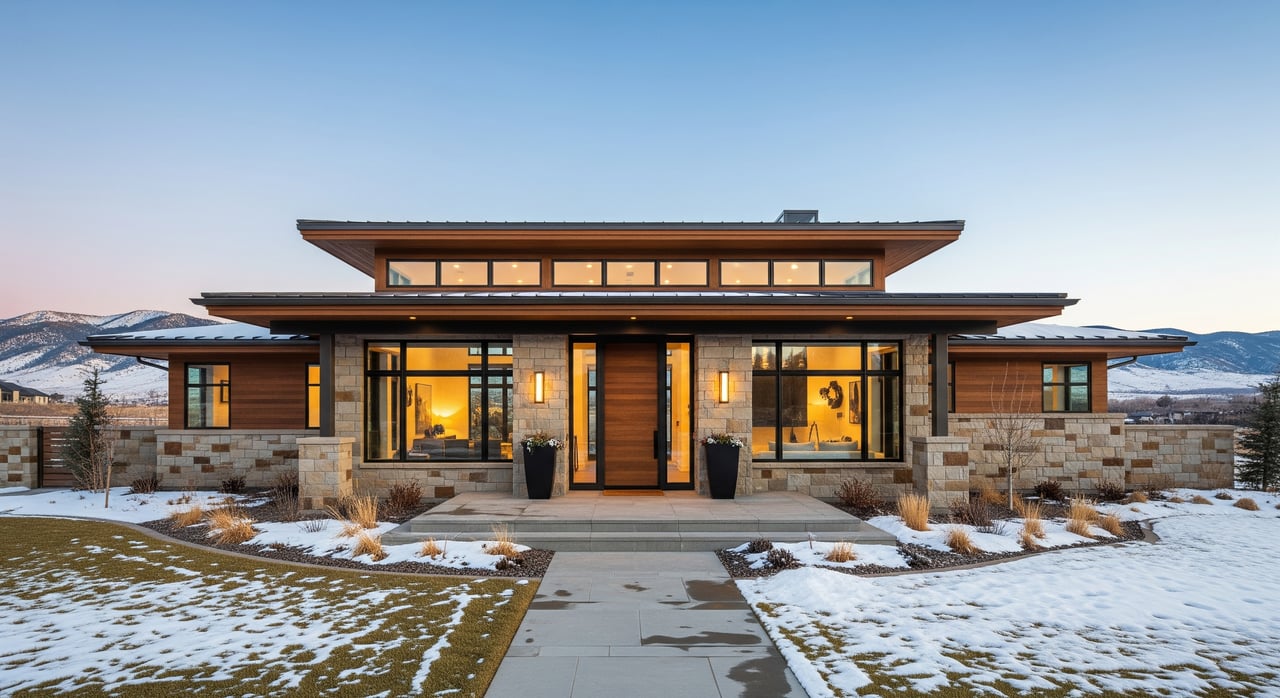
Winter–Spring Windsor Housing Market Outlook
November 21, 2025
November 21, 2025
Wondering if winter is a smart time to make a move in Windsor? You are not alone. As the weather cools, so does real estate activity, and that can raise questions about timing, negotiating power, and how to prepare. In this guide, you will learn how the Windsor market typically shifts from winter to spring, which metrics to watch, and how to plan your next steps with confidence.
Let’s dive in.
Windsor sits in the Northern Colorado corridor between Fort Collins and Greeley, which means local housing demand is tied to nearby job centers and commuting patterns. Over the past several years, the broader region has grown steadily, with new subdivisions and production homes playing a big role in supply. That new construction mix can shape pricing and incentives for nearby resales.
Seasonally, activity usually dips in late fall and winter, then ramps up in late winter and peaks in spring. You typically see fewer new listings and softer buyer traffic in December and January. As late February and March arrive, more sellers list and more buyers enter the market. The balance between those two is what sets the tone for negotiation.
Active listings often decrease in deep winter as some sellers pause and fewer new homes hit the market. In late winter, new listings usually start to rise as sellers prepare for spring. Watching how fast new listings are added compared to how fast homes go under contract will tell you if selection is improving or tightening.
MSI is a key measure of balance. Rough guideposts: about 4 to 6 months is balanced, under 4 months tends to favor sellers, and over 6 months tends to favor buyers. Track MSI trends for Windsor and compare them to nearby areas like Fort Collins and Greeley to see where leverage may be shifting.
Short-term month-over-month changes show momentum, while year-over-year comparisons help filter out seasonality. Also watch Days on Market. Falling DOM and a strong sale-to-list price ratio suggest tightening conditions. Rising DOM and softening sale-to-list ratios point to more room for negotiation.
An increase in price reductions signals that sellers are adjusting to demand. Pay attention to how many local sales are new construction versus resale. Builder incentives can create a pricing floor and influence value expectations for nearby homes.
Listing in late February through early April often captures the main spring buyer pool. If you must list in December or January, it can still work, especially for unique or well-priced homes, but expect fewer showings and plan for targeted marketing.
Use MSI and DOM to shape your pricing stance. If MSI is under 4 months and DOM is trending down, a competitive list price can draw strong interest quickly. If MSI moves over 6 months or DOM rises, build flexibility into your plan, including realistic pricing and concessions like closing cost help or inspection timeline flexibility.
A clean, well-staged home with quality photography is essential. In spring, aim to be live by late February or March to catch early-season buyers who want to close before summer.
In a quieter winter market, flexible closing dates and minimal contingencies can attract serious buyers. As activity accelerates in spring, shorten timelines, consider a pre-inspection to reduce buyer uncertainty, and be ready to respond quickly to offers. If the market tightens, a thoughtful offer deadline can help steward interest without overpromising outcomes.
Start with a full pre-approval, not just a pre-qualification. Confirm rate-lock options and assemble your documents so you can move fast when the right home appears. Late winter is often a productive shopping window because inventory begins to expand while competition may still be lighter than peak spring.
In deep winter, sellers may be more open to price concessions, closing cost credits, or flexible possession. In spring, leverage depends on the specific neighborhood and price band. Use current Windsor metrics rather than broad assumptions. If days on market are rising in your target area, you can negotiate more on price or terms.
In moderate competition, non-price terms can make the difference. Consider earnest money, inspection periods, and closing timelines that help the seller while protecting your interests. If appraisal gaps are common in your neighborhood of choice, plan for either an appraisal contingency or the ability to cover a gap.
Windsor’s supply includes a meaningful share of production homes. That matters because builder incentives can sway buyer decisions, set value expectations, and affect nearby resale pricing. When you compare new construction to resale, look beyond the advertised price. Evaluate builder incentives, HOA fees, lot premiums, and upgrade packages, and weigh them against the condition and location of nearby resales.
If you are selling near an active subdivision, keep a close eye on builder pricing and incentives. You may need to adjust your price or offer concessions to remain competitive. If you are buying, compare total monthly cost and quality of finishes rather than focusing only on list price.
Mortgage rate moves can shift the market quickly. A drop can bring more buyers off the sidelines, while an increase can cool activity even in spring. Ask your lender about rate locks, float-down options, and payment scenarios at different rates so you can act with confidence if a home checks all the boxes.
For sellers, rate sensitivity often shows up in showing traffic and offer strength. If rates rise, be ready to discuss pricing and concessions sooner. If rates fall, prepare for quicker timelines and sharper pricing discipline.
These signals can vary by subdivision and price point. A neighborhood with strong amenities and commuter access can behave differently from the broader town averages.
You deserve a smooth, well-timed move with clear guidance at every step. With deep Northern Colorado expertise, a boutique, high-touch approach, and RE/MAX resources, you get personal attention and proven systems that help you make strong decisions. Whether you are a move-up seller, a relocating professional, or a buyer comparing new construction and resale, you will have a plan based on real Windsor data and your goals.
If you want a neighborhood-by-neighborhood strategy for the winter to spring transition, connect with Megan Beck. You will get a clear action plan, data-backed pricing guidance, and marketing or offer tactics tailored to your timeline.





Whether clients are purchasing their first home, seeking a high-end property, building new, relocating for work, or looking for a mountain escape, Megan provides expert guidance and local insight every step of the way.

4703A BOARDWALK DR FORT COLLINS CO 80525